


A record-setting $23 billion in Bitcoin options will expire on December 26, with maximum pain situated around current levels and liquidity being limited, paving the way for significant BTC volatility.
Summary
- This unprecedented $23 billion in Bitcoin options expires on December 26, marking the largest BTC options expiry ever recorded.
- There is a substantial accumulation of call options at high strike levels, while put options are concentrated at lower strikes, with maximum pain situated close to current prices.
- Reduced liquidity during the holiday season and position unwinding may intensify BTC volatility as institutional trading adjusts.
On Friday, December 26, a historic $23 billion in Bitcoin options contracts are set to expire, the largest BTC options expiry to date, based on market analytics.
Data from CoinGlass reveals a considerable buildup of call options at elevated strike prices, suggesting that traders are betting on upward price movements. Conversely, put options are grouped at lower strike prices, indicating that critical support levels are under watch.
Bitcoin options as December 26 expiry approaches
The Max Pain Level, which is the price where option holders would incur the most significant losses, is positioned near the upper range of current trading levels, per the available data.
This total for expiry surpasses previous years, establishing it as one of the most pivotal events concerning Bitcoin on record.
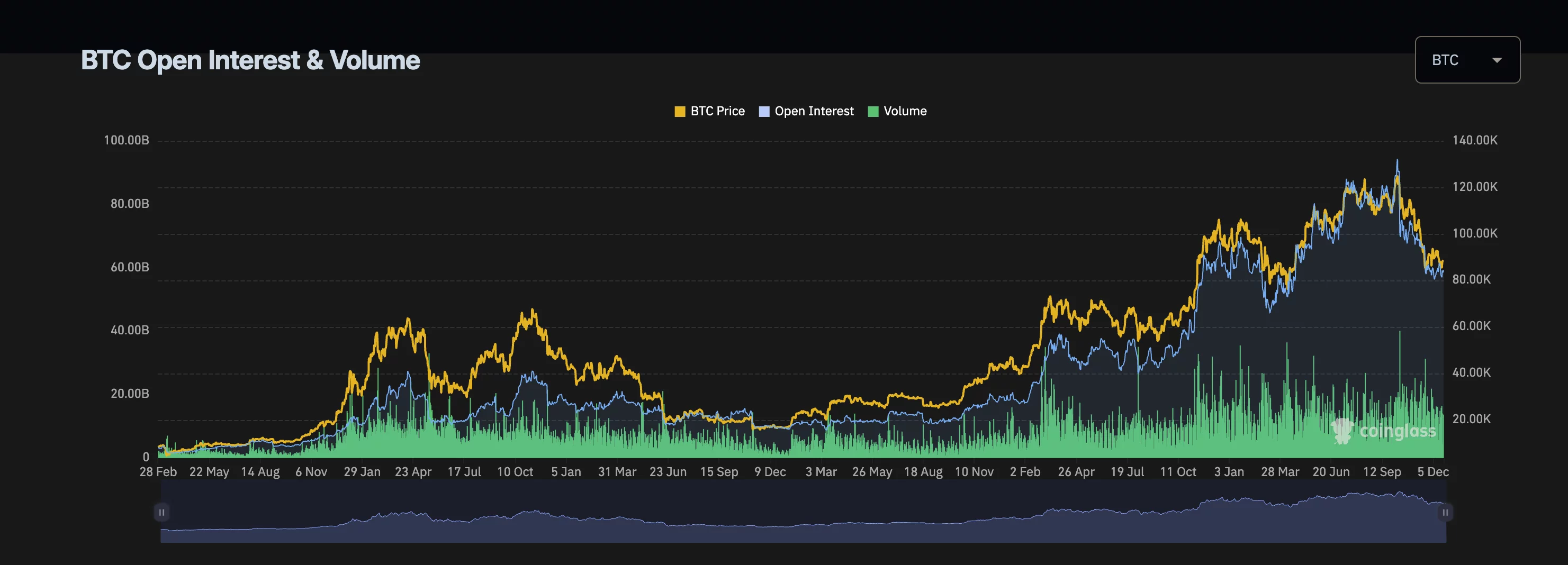
The put-to-call ratio indicates a trend among traders towards pursuing upside potential rather than securing downside protection, according to market experts.
At the time of this publication, Bitcoin was trading below recent highs. Historically, the cryptocurrency tends to see heightened volatility before major options expirations, with sharp price shifts anticipated once contracts lapse and open interest realigns.
Fluctuations in price leading up to the expiry could result in significant swings as traders close out positions and unwind hedges, as noted by market observers.
This expiry occurs during a holiday week when market liquidity is often lower, allowing larger orders to influence prices more dramatically than usual trading sessions.
These figures highlight the increasing importance of institutional participation in the cryptocurrency markets, with derivative flows gaining more influence over price changes, according to market analysts.
