


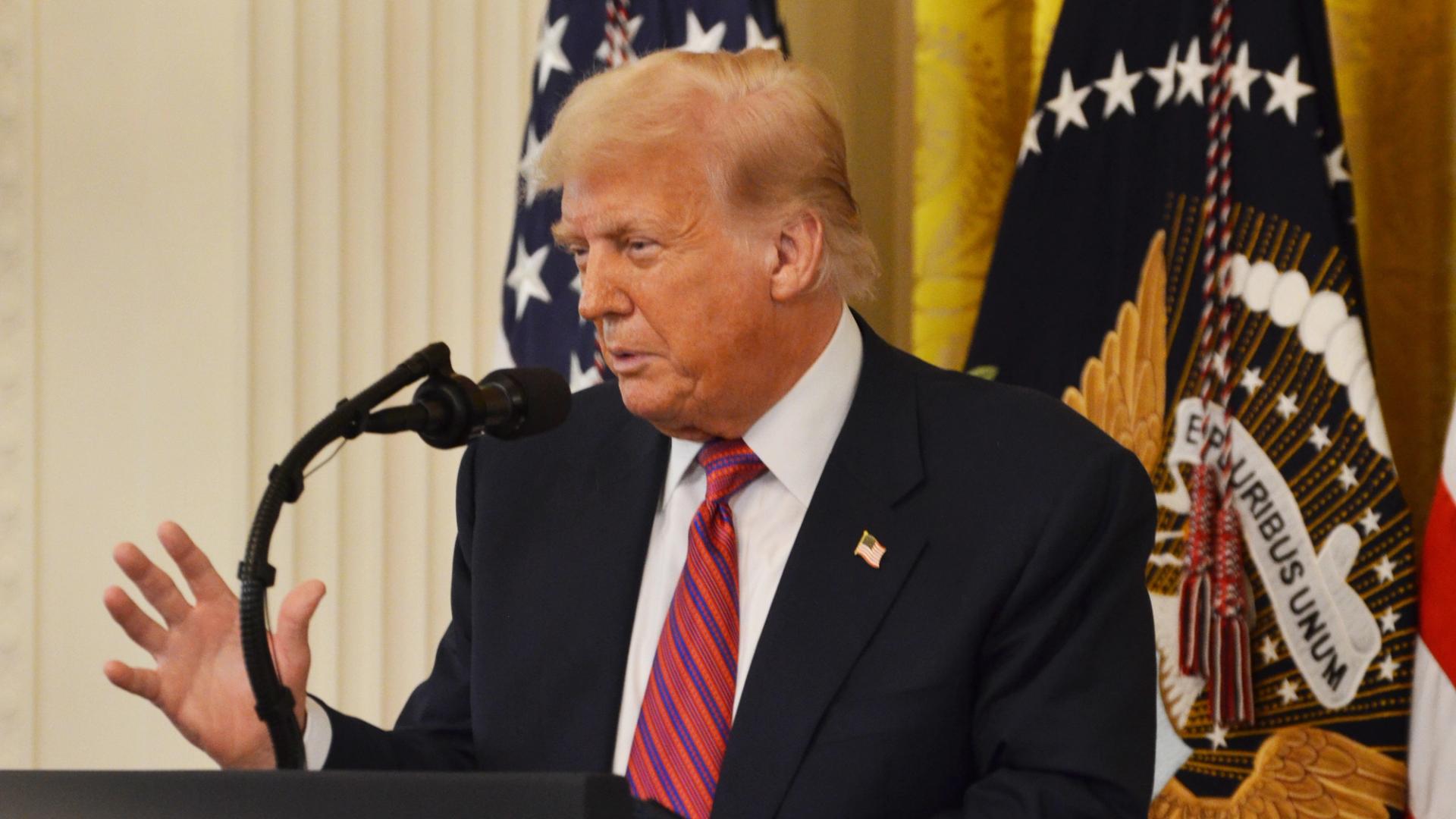
During the first half of this year, as President Donald Trump promoted cryptocurrency and shifted the U.S. government’s previously cautious stance, transaction volumes in the country surged by approximately 50%, surpassing $1 trillion, according to a report released by TRM Labs on Tuesday.
This rapid growth can be attributed to several factors, including institutional investments in stablecoins, a move towards newly regulated products like exchange-traded funds (ETFs), and an overall increase in investor confidence as U.S. regulators and lawmakers began to set industry guidelines.
When the Biden administration adopted a more distant approach to integrating crypto into the financial system, industry lobbyists frequently claimed that the government was driving innovation abroad. Trump pledged to position the U.S. as the “crypto capital of the world” upon taking office.
The 50% increase in U.S. transaction volume can be partly credited to a “more favorable political and regulatory climate,” noted Ari Redbord, TRM’s global head of policy.
“While it’s challenging to quantify how much of this resurgence relates to offshore activities returning, the trend aligns with increasing confidence, clearer regulations, and a boost in capital formation within the U.S. market,” he stated.
TRM Labs, an analytics firm focused on digital assets, tracks a country-adoption index for global crypto activity, factoring in economic elements that minimize the influence of high transaction volumes typical of wealthier nations. India has maintained the top position for three consecutive years, coinciding with significant worldwide growth in crypto.
Pakistan, the Philippines, and Brazil comprised the remainder of the top five.
In the U.S., interest in cryptocurrencies saw a notable split surrounding the presidential election last year. Following that period, web traffic to virtual asset service providers increased by 30%, as reported. By July of this year, the White House had enacted executive orders promoting supportive crypto policies; the SEC formed a dedicated crypto task force; Congress passed new legislation to oversee stablecoin issuers; and substantial progress was made on a broader market structure bill, which successfully passed in the House of Representatives but currently faces obstacles in the Senate.
