


The Stablecoin-as-a-Service (SCaaS) model enables any business or platform to issue its stablecoin without the need to establish a complicated infrastructure.
This vast opportunity comes with risks, including liquidity fragmentation, reserve transparency issues, and the evolving landscape of global regulations.
Sponsored
Sponsored
Anyone Can Issue Stablecoin
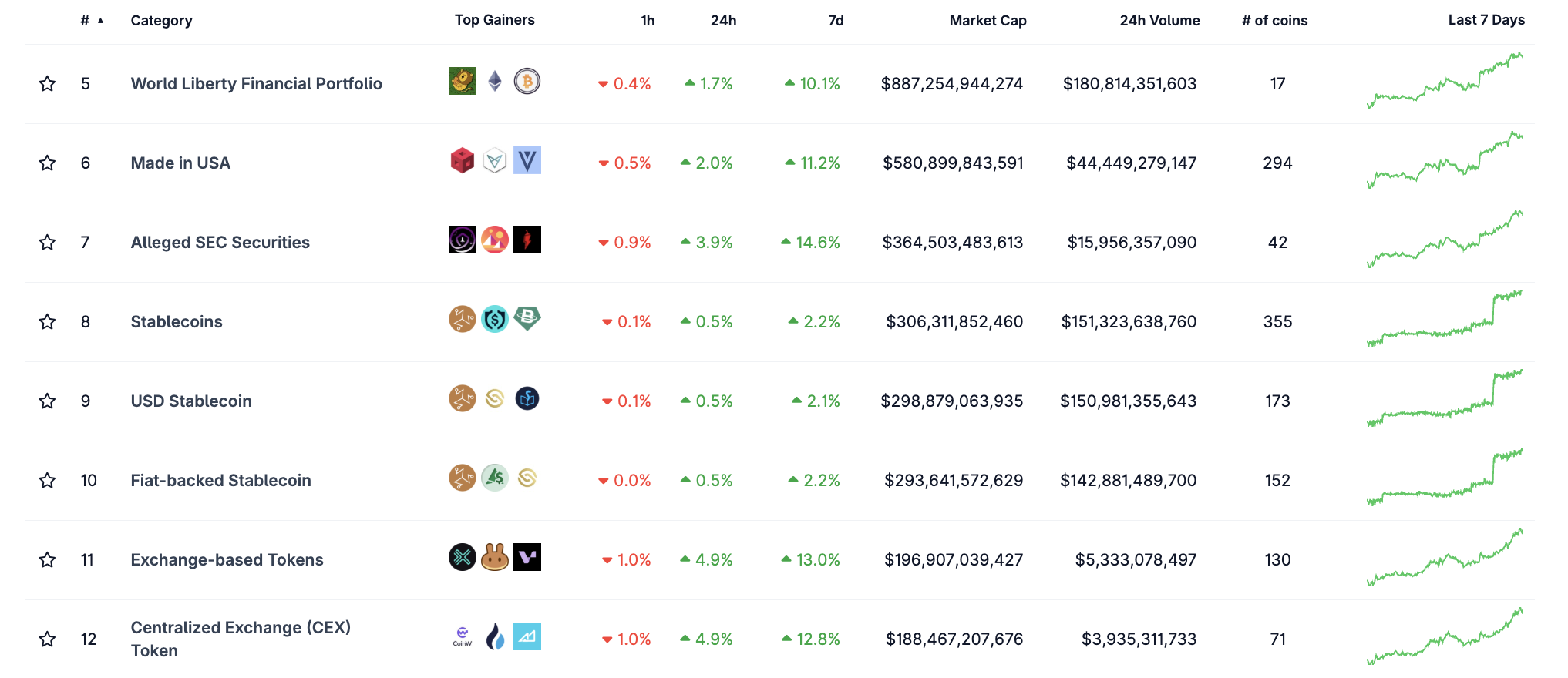
According to data from CoinGecko, the stablecoin market currently boasts a capitalization of approximately $306 billion and includes 355 distinct coins. While stablecoins are quite popular today, not every business can issue and manage them effectively.
However, a new model allows businesses, platforms, or organizations to issue and manage stablecoins without developing the entire infrastructure from scratch.
This model features standardized minting and burning processes, customizable reserve mechanisms and fees, as well as third-party operational interfaces. This is the Stablecoin-as-a-Service (SCaaS) model.
The latest instance is Stripe’s Open Issuance program (introduced in September 2025), which allows businesses to mint and burn stablecoins freely while customizing fees and reserve distributions, sharing profits from yields after a set fee. Ethena Labs offers a white-label solution for applications or blockchains. Additionally, tech giants like Google are reportedly testing a payment protocol for AI agents utilizing stablecoins, while custodians such as BitGo have also entered the market.
“Stripe announces Stablecoin as a Service. Any company can deploy stablecoins with just a few lines of code. BlackRock, Fidelity, or Superstate manages reserves. An X user commented about Stripe’s SCaaS.
Sponsored
Sponsored
The SCaaS model reduces entry barriers, enabling almost any business to issue its stablecoin. It also facilitates tailored stablecoins for specific products or target markets while providing wallets, exchanges, and chains with additional tools to distribute products with yield potential.
Some users on X contend that SCaaS will become increasingly crucial as stablecoins transition into commodities, prompting distributors (wallets, exchanges, chains) to seek yield opportunities. Others suggest that SCaaS could be a lifeline for many blockchains struggling to achieve token-market fit.
High Potential, High Risk
Nonetheless, the associated risks are significant. Multi-issuance models raise the potential for liquidity fragmentation. For example, various “USD-pegged” stablecoins might coexist but vary in terms of reserves, transparency, or reliability for redemption.
Market dynamics could transform SCaaS into a yield-based gamble: issuers might prioritize reserve profits to remain competitive, occasionally taking on liquidity risks or investing in less liquid assets. This creates vulnerabilities when redemption requests surge unexpectedly.
From a legal and operational standpoint, SCaaS requires complete transparency regarding reserve composition, insurance and redemption protocols, and independent audit processes.
Regulatory choices at national or regional levels could substantially alter the multi-issuance ecosystem.
Even so, SCaaS is anticipated to be a natural progression as stablecoins increasingly evolve into a global payment mechanism.
