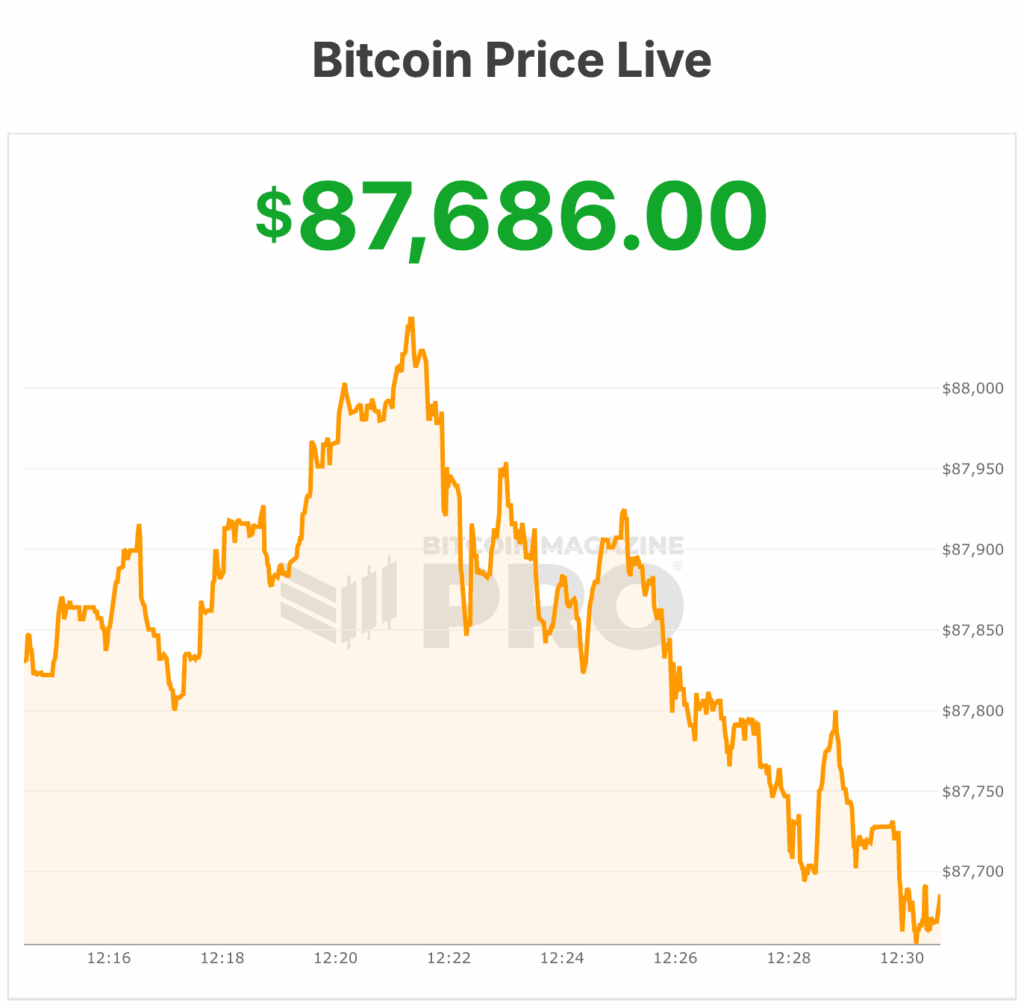
The fourth quarter of 2025 has been marked by significant turbulence for Bitcoin. In December, BTC experienced a nearly 9% decline in prices, with volatility spiking to levels unseen since April 2025.
In their mid-December “ChainCheck” report, VanEck’s digital asset analysts provided a detailed overview: although on-chain activity is currently weak, liquidity conditions are beginning to improve, and speculative leverage seems to be resetting, which may offer cautious optimism for long-term investors.
The firm pointed out the differing actions of various investor groups. Digital Asset Treasuries (DATs) have actively seized the opportunity, acquiring 42,000 BTC—their most substantial purchase since July—raising their total holdings above one million BTC.
This stands in contrast to Bitcoin exchange-traded product (ETP) investors, who have scaled back their exposure, signaling a shift from retail-driven speculation to corporate accumulation.
Analysts at VanEck remarked that some DATs are investigating alternative financing avenues, such as issuing preferred shares instead of common stock, to support their acquisitions and operations, highlighting a more strategic, long-term outlook.
On-chain data also illustrated a split between medium- and long-term holders. Tokens retained for one to five years have shown significant movement, indicating profit-taking or reallocating assets, while coins held for over five years remain largely undisturbed.
VanEck interprets this as an indicator that cyclical or shorter-term investors are liquidating their assets, whereas the longest-term holders continue to demonstrate confidence in Bitcoin’s future.
Bitcoin miners face a declining hashrate
In the meantime, miners are encountering a particularly tough landscape. According to VanEck, network hash rates fell by 4% in December, marking the sharpest drop since April 2024, as large-scale operations in areas like Xinjiang scaled back their output due to regulatory pressures. Breakeven electricity rates for major mining rigs have also decreased, indicating tighter profit margins.
Historically, however, VanEck observes that falling hash rates can act as a bullish contrarian signal: periods of declining network power have often preceded positive 90- to 180-day returns.
The VanEck team contextualizes its findings within the GEO (Global Liquidity, Ecosystem Leverage, Onchain Activity) framework, which aims to evaluate Bitcoin’s structural health beyond daily price fluctuations.
From this perspective, the improving liquidity and the accumulation by DATs serve as a counterbalance to weak on-chain metrics, such as stagnating new addresses and falling transaction fees.
Wider macroeconomic trends add layers of complexity to Bitcoin’s outlook. The U.S. dollar has slipped to nearly three-month lows, benefiting precious metals, yet Bitcoin and other crypto assets continue to experience pressure.
Simultaneously, the evolving financial landscape may present new opportunities. Market analysts highlight the emergence of “everything exchanges,” platforms designed to unite stocks, crypto, and prediction markets, utilizing AI-driven trading and settlement methods.
Just last week, Coinbase took a significant step towards becoming an ‘everything exchange’ by expanding its platform to include stock trading, prediction markets, futures, and other new features. Firms entering this arena — from traditional brokerages to crypto-native companies — are competing for market share, which could enhance Bitcoin’s liquidity and functionality over time, according to VanEck.
Bitcoin price volatility
Despite these factors, price volatility remains a prominent characteristic. While Bitcoin’s value has increased twofold in the past two years and nearly tripled in three, the lack of extreme highs or lows has moderated expectations. Future price movements for Bitcoin may be more subdued, with midterm investors likely to observe smaller cyclical fluctuations rather than the dramatic shifts seen in previous cycles.
VanEck noted that the broader market is currently in a correction phase. Speculative activities in the short to medium term are declining, long-term holders are maintaining their positions, and institutional accumulation continues to rise. Combined with indications of miner capitulation, reduced volatility, and macroeconomic factors, the firm presents the current environment as one of structural adjustment.
As 2025 comes to a close, Bitcoin appears to be entering a period of consolidation, reflecting a maturation of the broader market, which could lead to significant positive price movements in the first quarter of the upcoming year.