

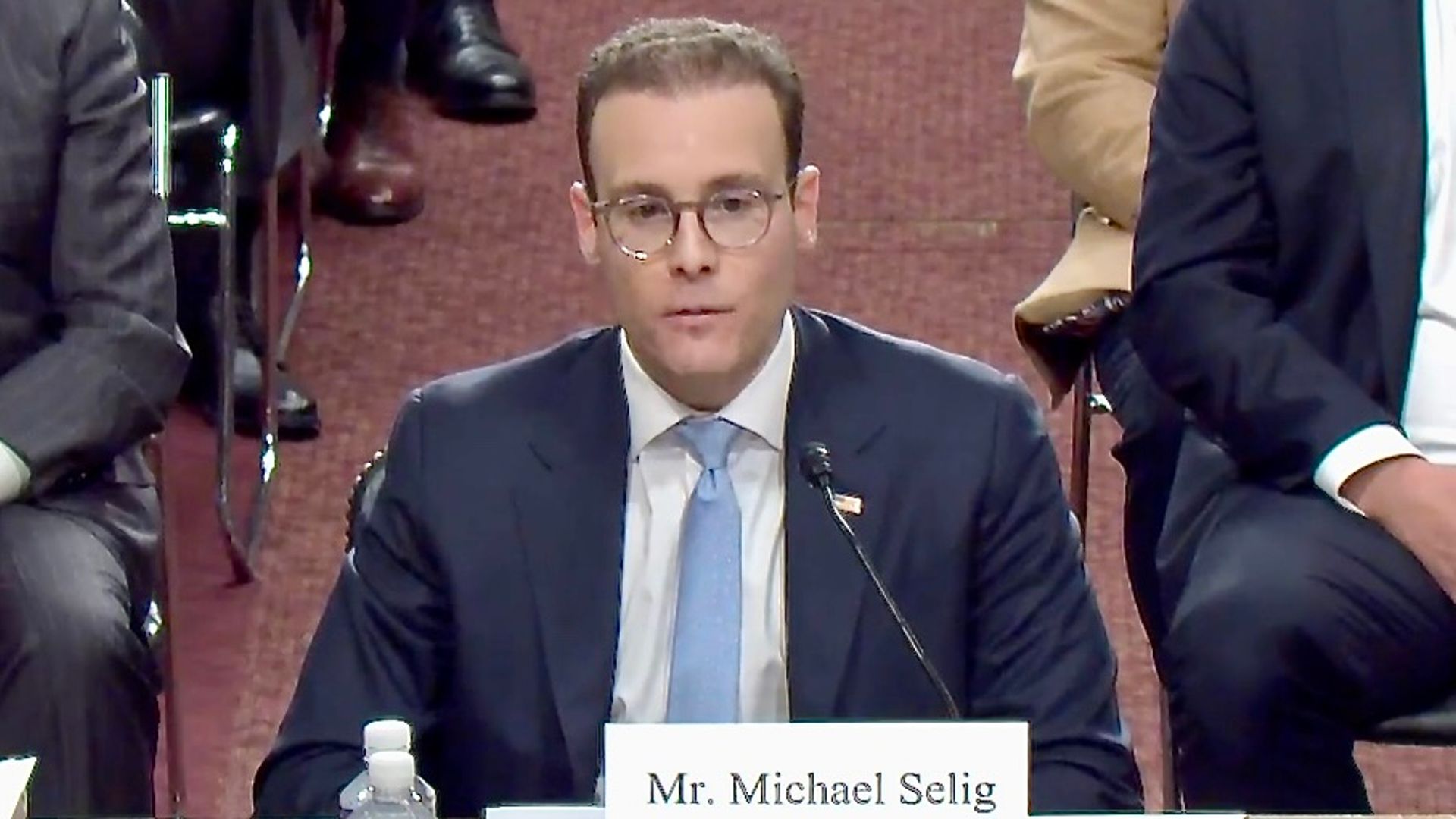
This week in the Senate, two significant positions related to U.S. cryptocurrency regulation are moving forward as the chamber prepares to consider a list of numerous nominees for confirmation. Among them are Mike Selig for chairman of the Commodity Futures Trading Commission and Travis Hill for chairman of the Federal Deposit Insurance Corp.
Senate Majority Leader John Thune initiated a cloture process on Tuesday, which aims to prepare a vote that clears the typical 60-vote threshold for action in the Senate. This resolution includes nominees for over 80 federal positions, with some individuals, like Selig, nominated for multiple roles. The cloture vote is anticipated as early as Thursday.
As the CFTC is set to take on a pivotal role in cryptocurrency oversight, Selig is poised to be confirmed not only to a commission position but also as chairman. He will succeed Acting Chairman Caroline Pham, who is likely to depart from the agency upon his confirmation, leaving him as the only member of a commission that is supposed to have five members, although the White House has yet to nominate any additional colleagues.
The U.S. derivatives regulator is already working on several cryptocurrency policies, and should the Senate finalize its proposed legislation on crypto market structure, the agency would gain explicit authority over the cryptocurrency markets.
At the FDIC, responsible for regulating stablecoin issuers and significantly influencing how the cryptocurrency industry is supported by banks, Hill has been serving as acting chairman. In this capacity, he has maintained a pro-crypto stance.
“We reversed the policies enforced in recent years,” he told lawmakers during a Dec. 2 hearing at the House Financial Services Committee, referring to the previous stance by the Biden administration that required banking regulators to give approval before banks could engage in new cryptocurrency activities. “Banks need to manage safety and soundness risks, but they face no prohibitions against serving those industries.”
Hill has also been taking initiative in addressing concerns from the cryptocurrency industry regarding “debanking,” where banks ended their relationships with cryptocurrency companies and executives, a situation that many industry insiders and some Republican lawmakers believe was encouraged by regulatory policies.
