

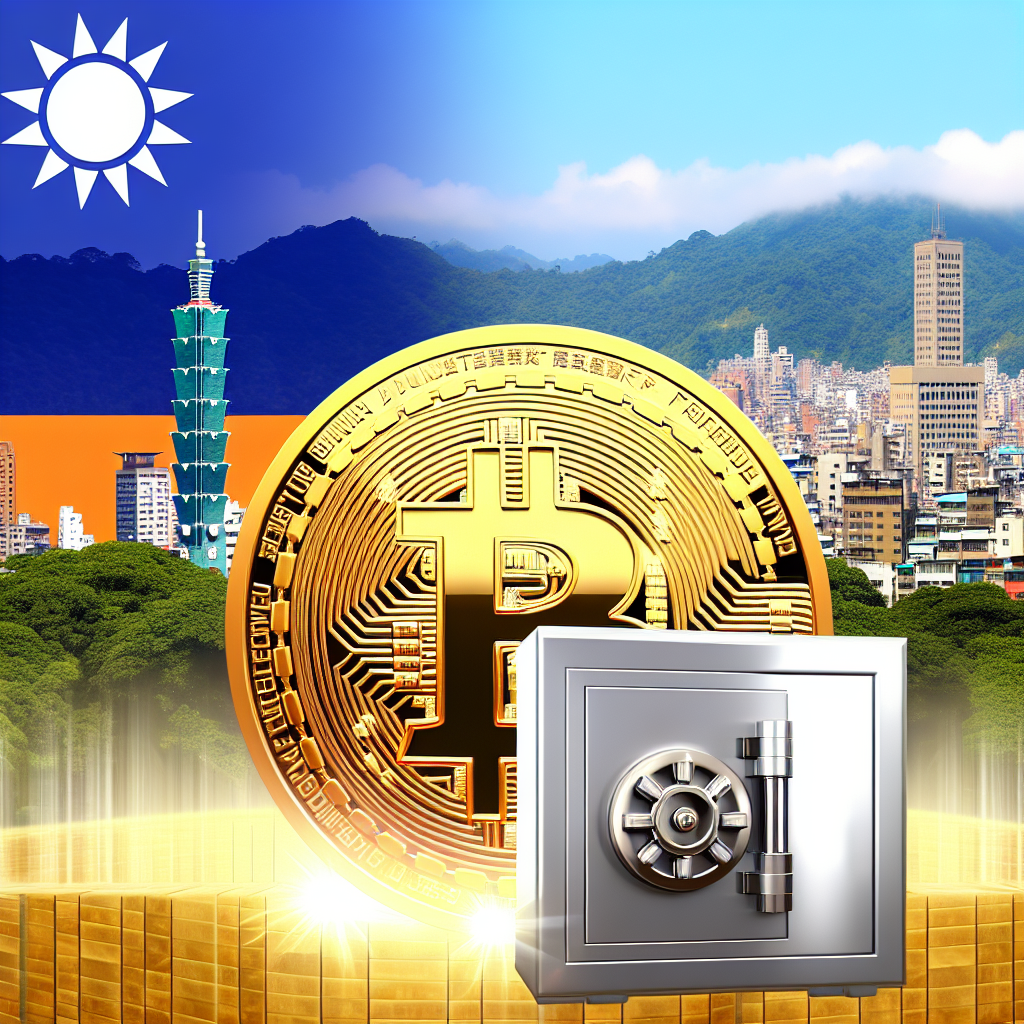

Taiwan’s Ministry of Justice retains seized BTC and stablecoins as legislators discuss BTC’s status as a reserve asset and regulators work on a stringent stablecoin framework.
Summary
- Taiwan’s Ministry of Justice oversees 210.45 BTC and approximately NT$1.3 billion in confiscated cryptocurrencies, primarily composed of dollar-pegged stablecoins, as well as ETH, BNB, Tron, and Livepeer.
- This revelation intensifies a political debate regarding Bitcoin’s classification as a reserve asset, with lawmaker Ko Ju-Chun advocating for its inclusion in national reserves.
- The central bank and the FSC in Taiwan are advocating for more stringent stablecoin regulations and a VASP law, making the launch of any local stablecoin unlikely before late 2026.
According to government records, Taiwan’s Ministry of Justice has revealed that it currently holds 210.45 BTC confiscated during criminal investigations.
The digital assets, categorized as proceeds of crime, remain in state custody while authorities evaluate future management strategies. Although no final decision has been made regarding their fate, options being considered include public auctions, with proceeds directed to the state’s revenues.
This holding could position Taiwan as eighth globally in government bitcoin holdings, based on data analysis.
Bitcoin constitutes a small portion of the digital assets controlled by Taiwanese authorities. The Ministry of Justice’s records indicate that the total value of seized cryptocurrencies is about 1.3 billion New Taiwan dollars, calculated using market rates at the time of disclosure.
Stablecoins represent the largest segment by volume, with significant reserves in U.S. dollar-pegged stablecoins. The reserves also include Ether and smaller amounts of other cryptocurrencies such as Binance Coin, Tron, and Livepeer, as noted by the ministry.
Taiwan and Bitcoin Holdings
The Ministry of Justice indicated that these holdings arise from initiatives to standardize the procedures for seizing, safeguarding, and liquidating digital assets within the judicial framework.
This disclosure has ignited political discussions on whether the government should classify Bitcoin as a strategic asset. Recently, Taiwanese lawmaker Ko Ju-Chun urged the government to consider Bitcoin’s inclusion in national reserves.
“Virtual assets are increasingly viewed as more than just speculative commodities; they represent a new front in national security and financial sovereignty,” remarked Ko, vice co-chair of the USA-Taiwan Caucus in the Legislative Yuan, during a general financial inquiry session.
In November, Taiwan’s central bank called for enhanced oversight of stablecoin licensing, suggesting that issuers maintain a portion of their reserves with the central bank. The institution sought a formal role in overseeing stablecoins under the Financial Supervisory Commission’s proposed Virtual Asset Services Act, arguing that such involvement is crucial for assessing risks related to exchange-rate stability and payment system regulations.
FSC Chairman Peng Jin-long informed lawmakers that the bill has passed initial reviews and could receive approval in a third reading during the next legislative session. Specific regulations for stablecoins would be established within six months, placing the earliest launch of a local stablecoin no sooner than late 2026, according to Peng.
