


Five digital asset companies have secured conditional approvals on Friday to operate as federally chartered banks by the Office of the Comptroller of Currency (OCC), marking a significant advancement in bringing U.S. dollar stablecoin issuers under federal oversight.
On the list are blockchain company Ripple and Circle’s (CRCL) First National Digital Currency Bank, along with BitGo, Fidelity Digital Assets, and Paxos, all of which previously functioned under state charters that will be updated to conditional federal status.
The OCC is the sole federal agency that charters banks and trusts, and this influx of approvals could signify a pivotal shift in cryptocurrency banking. Since President Donald Trump’s administration began, the regulator—led by his appointee, Jonathan Gould—has transitioned from a resistant to a more welcoming stance toward crypto.
“The OCC will continue to provide a pathway for both traditional and innovative financial services to ensure the federal banking system evolves with finance and supports a contemporary economy,” Gould stated.
If the newly approved trust banks meet the agency’s standards, they will permanently join approximately 60 regulated institutions with such charters, which permit fiduciary activities like custody. National trust banks—encompassing the first chartered crypto bank, Anchorage Digital—have specific constraints on their business engagements, limiting their deposit and loan capabilities compared to OCC’s broader array of national banks.
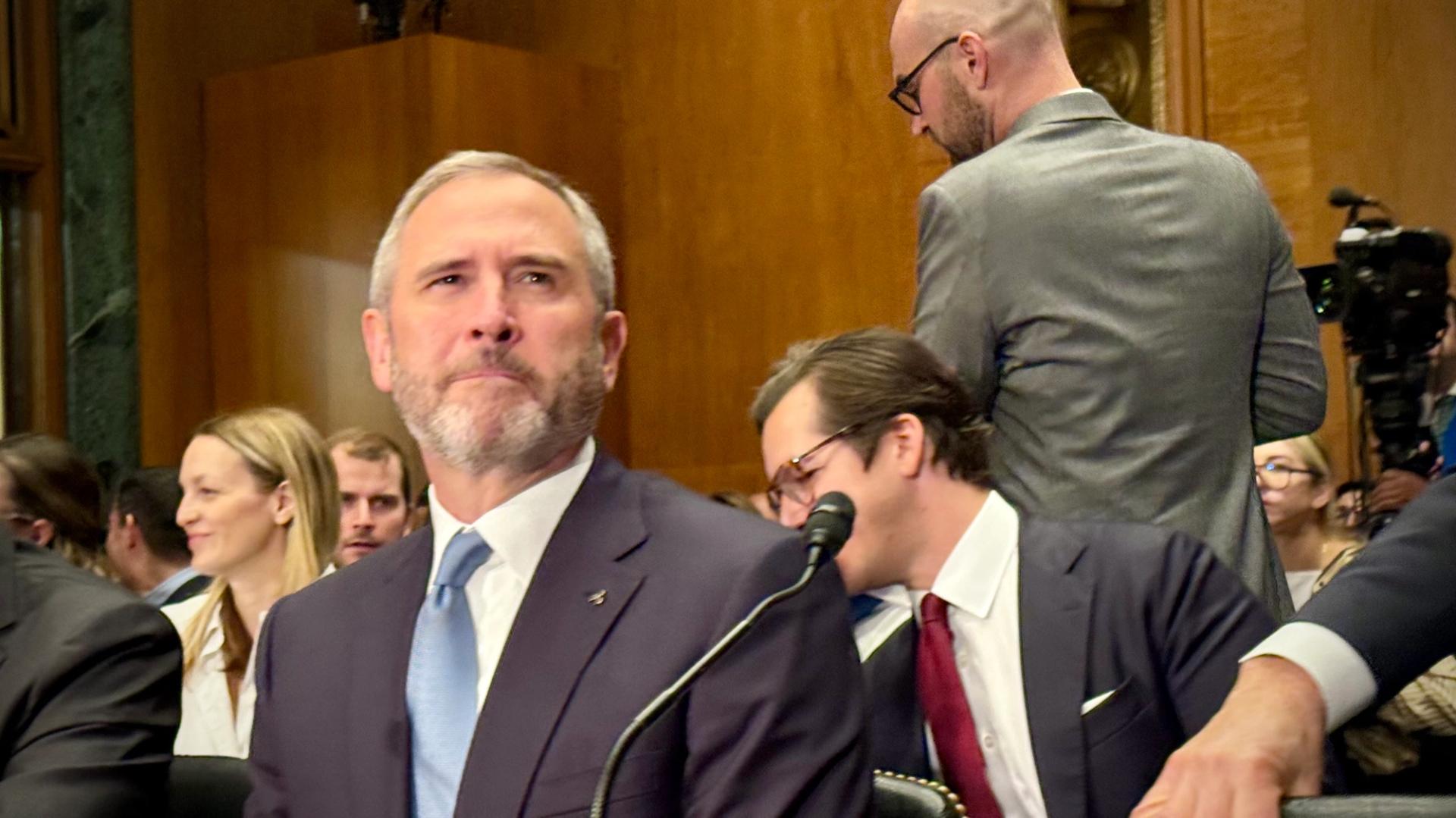
‘Major news’ for crypto, says Ripple’s Garlinghouse
Brad Garlinghouse, CEO of Ripple, noted in an X post that the OCC’s initiative represents “major news” and a “significant step” for the firm’s $1.3 billion stablecoin. He criticized the banking lobby for its “anti-competitive tactics.”
“You’ve indicated that crypto isn’t abiding by the same rules, but here’s the crypto industry—directly under the OCC’s supervision and standards—prioritizing compliance, trust, and innovation for consumer benefit,” Garlinghouse said. “What are you so fearful of?”
Circle, the issuer of the $78 billion stablecoin , stated in a press release that the national trust bank charter would “improve the security and regulatory oversight of the USDC Reserve while enabling Circle to provide fiduciary digital asset custody and related services to institutional clients.”
Paxos, the entity behind the $3.8 billion and the consortium-backed, $1.4 billion Global Dollar token (USDG), announced that its federally regulated platform would “enable businesses to issue, custody, trade, and settle digital assets with clarity and confidence.” Notably, Paxos has been under a New York Department of Financial Service (NYDFS) charter since 2015 and first sought a federal charter in 2020.
Mike Belshe, CEO of BitGo, stated that this development “signals an official end to the war on crypto and the onset of the next era of banking innovation,” adding that “we’ve entered a phase of regulatory integration, with rapid improvements expected.” BitGo issues USD1 (USD1), the digital dollar token from World Liberty Financial, a crypto venture closely associated with the Trump family.
The cryptocurrency sector has historically faced challenges with banking in the U.S., involving a prolonged battle against regulators and major institutions that the industry claims systematically debanked their companies and executives. The Trump administration aimed to reverse any policies and banking actions that negatively impacted crypto firms.
The OCC released a report on Thursday addressing debanking, asserting that all nine of the largest banks were implicated and that those responsible for severing banking relationships with legal business customers could face repercussions.
UPDATE (December 12, 2025, 16:59 UTC): Adds remarks from two involved companies.
UPDATE (December 12, 2025, 17:06 UTC): Incorporates details from the OCC’s debanking report.
UPDATE (December 12, 2025, 17:16 UTC): Includes comments from Ripple’s CEO.
UPDATE (December 12, 2025, 17:37 UTC): Features comments from BitGo’s CEO.
