

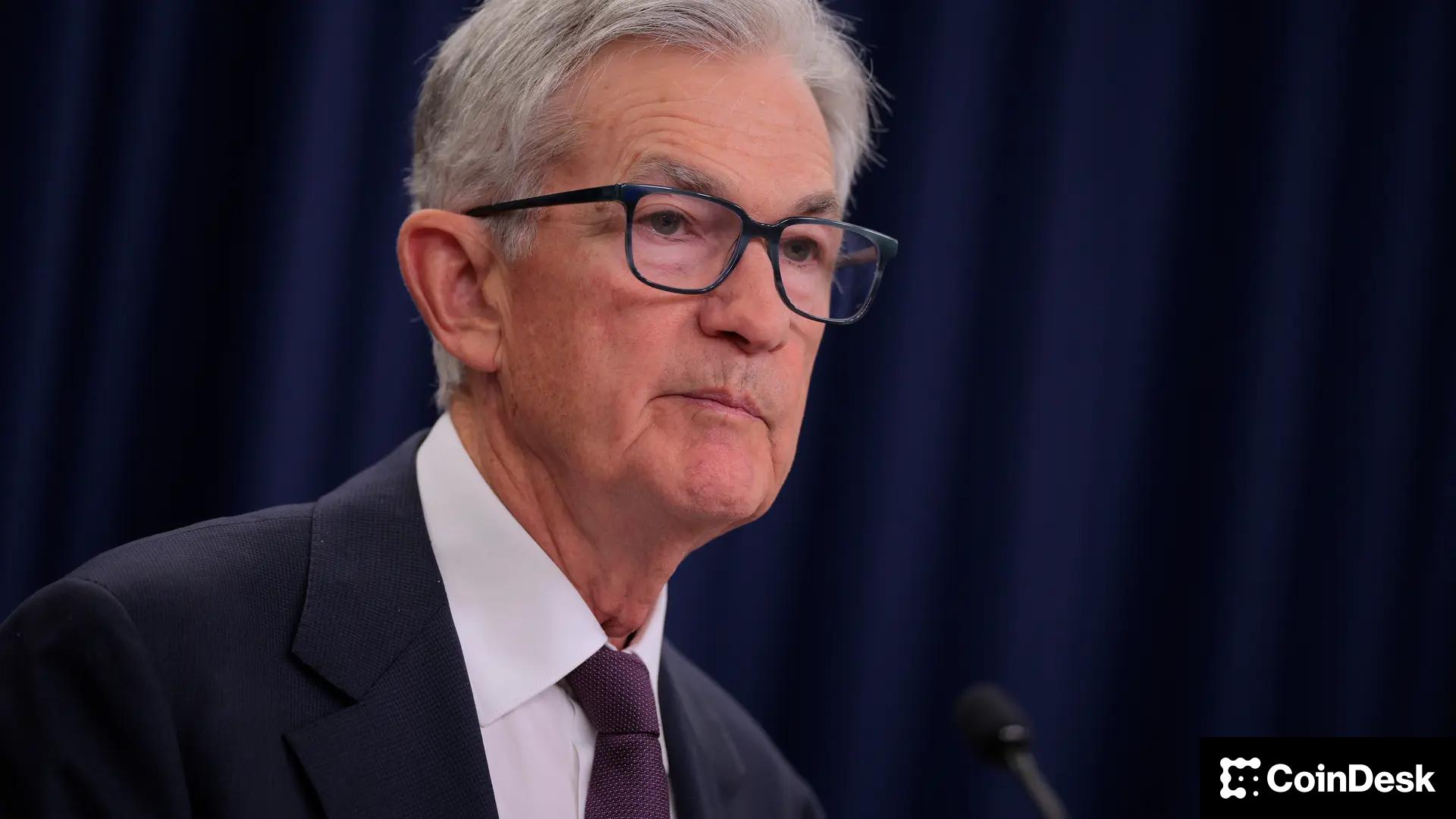
The Federal Reserve’s decision on interest rates this October may lead to unforeseen reactions in the U.S. stock market and Bitcoin, as the ongoing threat of a federal government shutdown complicates the economic forecast.
Government shutdown postpones crucial data ahead of FOMC meeting
A partial federal government shutdown started on October 1, closing various non-essential services, including the Bureau of Labor Statistics (BLS). This has resulted in an indefinite delay of the September jobs report, an essential measure of the labor market’s health, which was expected to be released early this month.
This halt in data reporting comes shortly before the Federal Open Market Committee’s (FOMC) meeting on October 28–29, during which the Fed will announce its next interest rate decision.
Despite these disruptions, market optimism remains high.
As reported by GoldPrice.org, gold prices reached $3,886 per ounce on Friday, reflecting an increase of over 48% year-to-date.
Gold’s surge in 2025 is attributed to significant central bank purchases and robust ETF demand from private investors, driven by inflation concerns stemming from President Trump’s trade war, rising U.S. national debt, and efforts by countries—particularly BRICS nations—to diminish reliance on U.S. dollar assets since the onset of the Russia-Ukraine conflict.
At the time of writing, according to CoinDesk Data, Bitcoin was trading at approximately $123,196, close to its all-time high of $125,506 observed earlier in the day, fueled by strong institutional interest and inflows into crypto ETFs.
Meanwhile, the Dow Jones Industrial Average and S&P 500 finished the week at record highs of 46,758.28 and 6,715.79, respectively, showcasing market confidence in a smooth transition of Fed policies.
Currently, Bitcoin, gold, and the S&P 500 are near record highs, likely fueled by expectations of further rate cuts this year and next, as well as investors seeking to hedge against the prevalent and escalating inflation affecting global markets.
Market expectations indicate a 25 basis-point Fed cut
Futures and prediction markets largely forecast a 25 basis-point interest-rate reduction at the forthcoming FOMC meeting.
As of October 5, The CME Group’s FedWatch Tool estimates a 96.2% chance for a 25 basis-point cut against a 3.8% likelihood of no change.
In contrast, decentralized prediction platform Polymarket forecasts a 3% chance of a rate increase exceeding 50 basis points, a 90% probability for a 25 basis-point hike, and an 8% probability for no alteration.
Why the Fed pausing rate cuts might not be as improbable as traders expect
The ongoing government shutdown masks considerable risks. With BLS employees laid off, crucial labor data remains unavailable, denying the Fed the necessary wage and employment information required to assess market conditions amid ongoing inflation.
The Fed faces the task of making rate decisions without critical economic information—essentially operating without visibility.
This absence of timely data introduces the possibility that some FOMC members may suggest halting the current rate reduction pace instead of proceeding as anticipated.
Without clear insights into the labor market’s recent trends, the risk of premature easing that could destabilize inflation expectations becomes significant. Historical Fed actions during periods of limited data have often favored caution to prevent policy missteps.
Simultaneously, other factors amplify this uncertainty.
The government shutdown generates downside risks through furloughed federal workers and potential permanent job losses, possibly detracting from economic growth, although the extent remains uncertain.
Additionally, many investors have structured their portfolios in anticipation of further cuts, implying that a surprise hold could unsettle the markets and spark volatility that the FOMC would prefer to avoid.
Conceiving these concerns, the FOMC likely weighs continuing with a modest 25 basis-point cut to maintain market confidence while mitigating economic risks. However, the possibility of a pause remains viable given these extraordinary challenges, highlighting that market expectations for a cut, while robust, are not assured.
Private and regional data provide partial insights amidst shutdown
In the interim leading up to the FOMC meeting, certain private-sector and Federal Reserve regional data releases will yield partial economic insights despite the shutdown.
If these indicators signify declining inflation and moderate growth, Fed Chair Jerome Powell might go ahead with the anticipated 25 basis-point reduction. Conversely, stronger indicators of persistent inflation or resilient growth could push the Fed toward a hold, contradicting market calculations and potentially increasing volatility.
If the shutdown resolves by mid-October, the delayed September jobs report could be released prior to the FOMC meeting, offering clearer data and possibly affirming market forecasts.
Why a 50 basis-point cut is highly unlikely
Market sentiment has generally dismissed the prospect of a 50 basis-point cut since inflation persists above the Fed’s 2% target, especially in services experiencing wage pressures.
A half-point reduction may be perceived as indicating premature easing and could upset the labor market and inflationary expectations.
Powell’s public statements advocate for caution and data dependency, making a more gradual 25 basis-point cut a more sensible route.
How investors can safeguard against a Fed pause scenario
Given the potential for a policy pause that markets have not fully factored in, investors—especially in the crypto space—should contemplate risk hedging:
- Utilizing put options on Bitcoin and major stock indices can serve as an affordable means to protect against drastic downturns.
- Reducing over-leverage or position sizes in volatile assets to lessen potential losses.
- Enhancing exposure to safe havens like gold or Treasury bonds can provide portfolio stability during market turbulence.
- Employing volatility ETFs or funds to capitalize on sudden volatility surges.
Institutional investors routinely implement such strategies, while retail investors have access to an increasing array of low-cost resources to safeguard against tail risks.
