


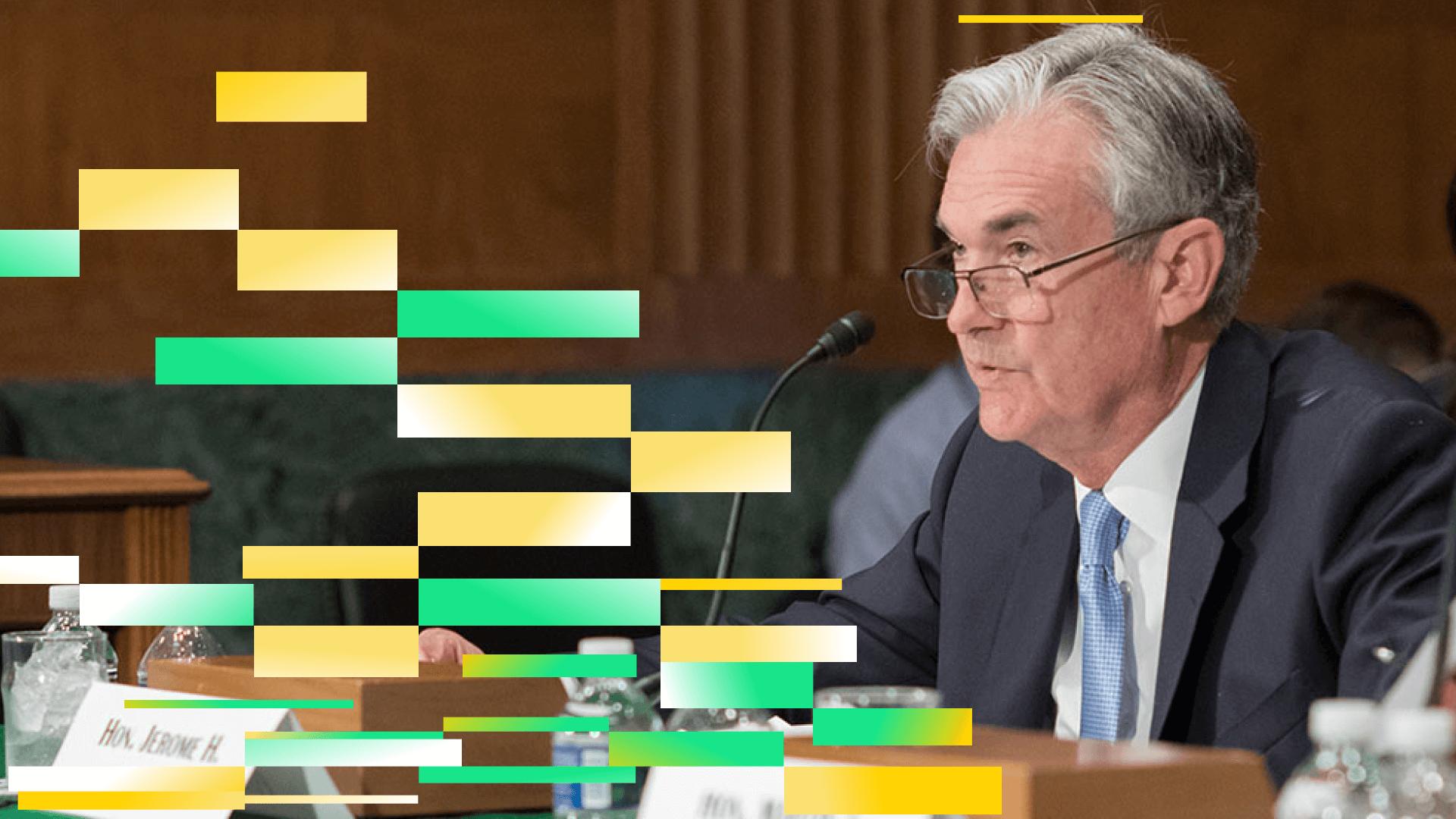
Bitcoin increased on Monday, likely due to expectations of an interest-rate reduction by the Federal Reserve this week, despite a continuous rise in Treasury yields indicating caution.
The Fed is anticipated to decrease the target interest rate by 25 basis points to the 3.5%-3.75% range. This would mark the third consecutive reduction in borrowing costs, totaling a 175 basis point easing since September 2024.
Such rate cuts generally inject liquidity into the financial system. The cheaper capital promotes lending and investment, fostering risk-taking behavior in financial markets and the wider economy. Additionally, lower policy rates suppress short-term interest rates across the board, elevating bond prices and reducing yields.
The expected outcome is bullish momentum in risk assets while Treasury yields decline.
BTC appears to align with this trend, trading over 1.5% higher for the day near $91,800, as per CoinDesk data. Prices have established higher lows and higher highs since dipping below $80,000 about three weeks ago.
However, Treasury yields are a surprise, rising instead of falling. The benchmark 10-year yield is currently at 4.15%, the highest since November 20, having increased by 2 basis points today and nearly 20 basis points since November 28.
Hawkish cut?
Analysts suggest that the upward movement in yields indicates that the rate cut is almost assured, with bond traders factoring in Chair Jerome Powell’s likely non-committal stance regarding future easing in 2026. Such a “hawkish cut” might negatively affect risk assets, including BTC.
“The risk is not in the cut itself but in the following press conference,” stated Markus Thielen, founder of 10x Research, to CoinDesk. “Powell will likely indicate a pause rather than a route of further cuts, and while the bond market adapts to this possibility, crypto markets have largely overlooked it for now.”
Greg Magadini, director of derivatives at Amberdata, mentioned that the recent easing in the U.S. labor market and inflation data, including last Friday’s delayed core PCE for September, supports the argument for lower rates. However, attention will be on the guidance provided.
“Markets will be keeping an eye on whether the Fed’s rate cut is dovish or hawkish,” Magadini remarked.
ING analysts noted that the growing divide within the Fed regarding whether inflation or labor-market weakness is the primary concern suggests a slower rate-cut pace in 2026.
“We doubt the Fed will suddenly ease up on the inflation narrative due to the lack of current data. Thus, the most dovish they might get is to include a second rate cut in their 2026 forecast, but they will be hesitant,” the analysts mentioned in a client note.
Shifting focus away from the Fed, Jeff Anderson, head of Asia at STS Digital, remarked that the rise in the 10-year yield aligns with recent trends, as it has consistently rebounded from the 4% level.
“Rate volatility has been quite low since this summer, and the market has been inclined to sell Treasuries (reducing yields) anytime we approach 4.00%,” Anderson explained.
He added that the market is currently paying more attention to Japanese government bond yields and their effects on global markets. Over the weekend, CoinDesk elaborated on how Japan’s potential rate hikes might raise bond yields worldwide, possibly inciting market volatility.
“Attention is more on Japanese yields (with a potential hike in December and risk asset deleveraging) and the possibility of the Fed purchasing T-Bills this week,” Anderson noted.
The recent tightening in dollar liquidity has sparked speculation that the Fed will soon announce “reserve management purchases,” involving short-term Treasury notes or T-bills. Some observers believe that the bank might discuss such purchases this week.
