


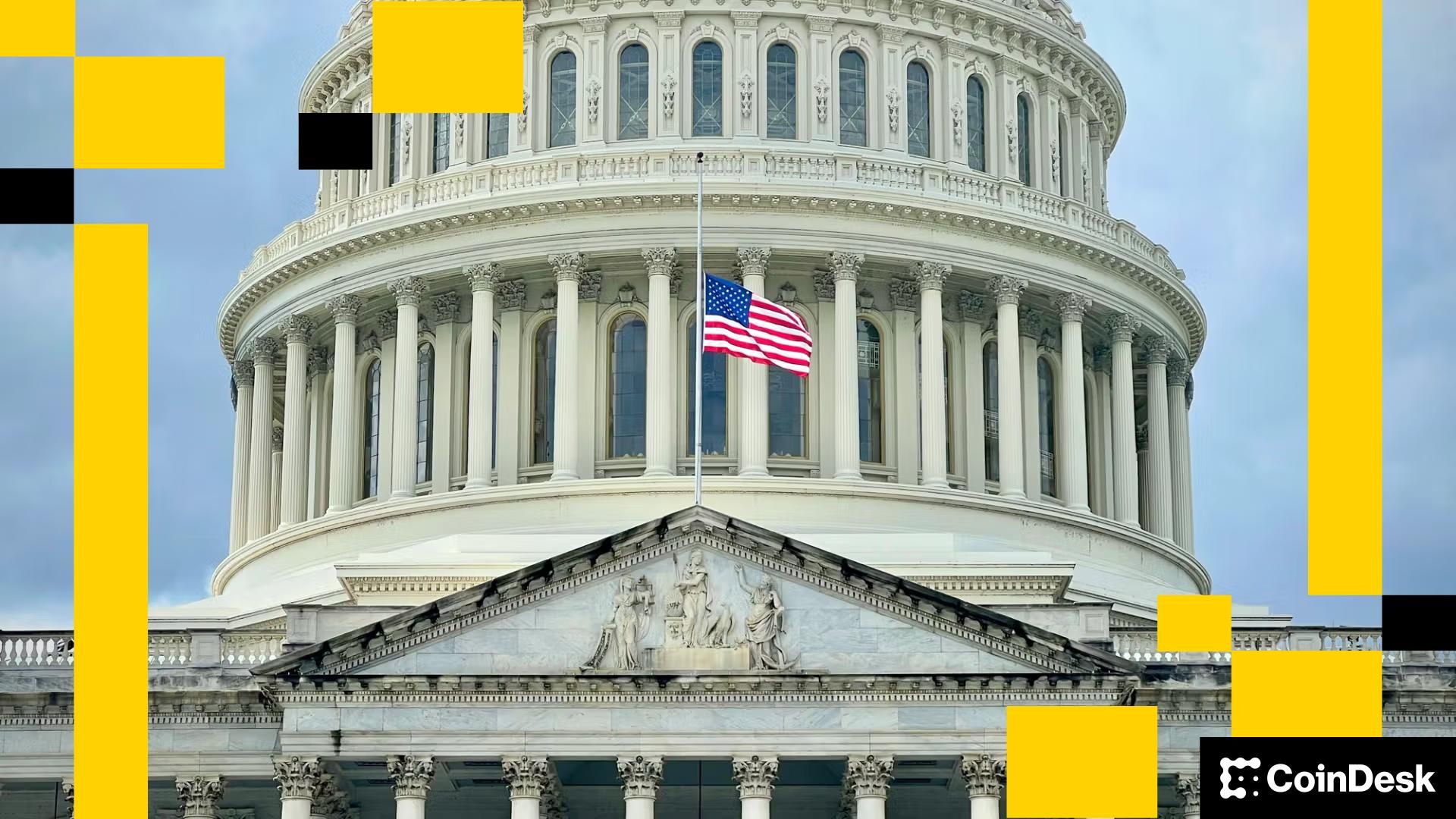
The U.S. Senate Banking Committee is making progress toward a bipartisan crypto market structure bill, with a vote scheduled for next week, according to its chairman. Industry insiders are preparing for a lobbying effort at Senate offices on Thursday.
Republicans on the committee are expressing confidence that the end of lengthy negotiations over a regulated crypto market bill is near. However, Democratic negotiators have yet to broadly endorse the accelerated timeline proposed by committee Chairman Tim Scott, culminating in a markup hearing set for January 15. A document from Tuesday’s meeting, first reported by Politico, indicates that while key sticking points remain, many Democratic requests have been addressed.
Ongoing discussions include several key issues that Democrats previously raised regarding the market structure bill, especially during last spring’s negotiations on stablecoin legislation. These issues encompass ethics, the treatment of yield, the status of money transmitters, the role of the U.S. Treasury in monitoring crypto, and protections for developers.
“It’s crucial for us to document our stance and vote,” Scott stated in an interview with Brietbart published Tuesday. “Next Thursday, we will vote on market structure. We’ve tirelessly worked for over six months to ensure every committee member has access to multiple drafts.”
While there remains consensus on numerous major provisions still unresolved, the document from the meeting highlights the ethical concerns raised by Democrats linked to President Donald Trump’s personal ties to crypto.
Nonetheless, the document also reveals a series of Democratic requests that have been met during negotiations, including illicit-finance points informed by input from the Treasury Department, as well as provisions adopted from the House of Representatives’ Digital Asset Market Clarity Act.
“Both Republicans and Democrats are motivated to conclude this,” said Cody Carbone, CEO of the Digital Chamber, in an interview with CoinDesk on Tuesday. “I believe there is a hope that even without complete agreement on a bill, there is sufficient support to move things forward.”
Still ways to go
Scott’s anticipated markup represents a significant procedural step that would transition the proposed legislation into a bill advancing through the approval process. With the House having already passed its similar Clarity Act last year, a Senate version would finalize the package, which — if approved — could reach Trump’s desk.
However, several steps must occur beforehand. First, the committee must conduct the markup, after which a corresponding process will occur in the Senate Agriculture Committee, which also holds significant jurisdiction over the crypto sphere and oversees the Commodity Futures Trading Commission.
Carbone noted that this markup could help clarify the final points needing resolution between Democrats and Republicans before the ultimate vote. Other industry lobbyists are more cautious about counting on a successful markup, indicating that Democrats might resist moving forward until certain key demands have been addressed.
The industry is leaning on the group of Democrats committed to the negotiations. Carbone expresses optimism that they will keep the momentum going, although the committee’s ranking Democrat, Senator Elizabeth Warren, is likely to continue her vocal opposition.
The Agriculture Committee has lagged behind its banking peers during this process, yet its members tend to operate more collaboratively than those in Scott’s committee. Once the banking panel takes action, those involved in the bill believe that the other committee will follow in the ensuing weeks.
Here’s what remains to happen:
- After both committees complete the markup — a process involving the introduction and debate of amendments — the panels will vote on whether to proceed with the legislation.
- Should the committees pass that stage, their distinct legislative drafts will be merged into one bill for a Senate-wide vote.
- If the bill successfully navigates this major obstacle, it will return to the House, where it is anticipated to be passed by a substantial bipartisan margin, similar to the preceding Clarity Act.
- Then, a signature from Trump would enact it into law.
Lobbying pressure
The crypto sector has had its influence at various junctions throughout the protracted negotiation, including an invitation last month for industry leaders to meet with senators prior to the December holiday recess.
However, the Digital Chamber is orchestrating a final initiative this week, bringing in executives and digital assets leaders to engage with Senate offices on Thursday, emphasizing the importance of the process.
“We are saturating the Senate, meeting with as many offices as we can,” Carbone remarked. “The aim is to gather a wide-ranging group of industry participants to address any potential queries regarding the market structure bill.” Executives from Binance.US, Unicoin, Anchorage Digital, Crypto.com, and Hedera are anticipated to participate, among others.
Representatives from the sector have been cautious not to explicitly state their support for the current legislative draft, as it contains crucial provisions that remain unresolved — particularly regarding the regulation of decentralized finance (DeFi) and the implications of stablecoins offering yield or rewards.
Several crypto insiders have indicated that a failure to alleviate concerns about DeFi oversight could potentially undermine the industry’s backing. Carbone mentioned that substantial bipartisan progress on DeFi has occurred.
Read More: Crypto bill markup expected next week as pressure mounts before shutdown deadline
