

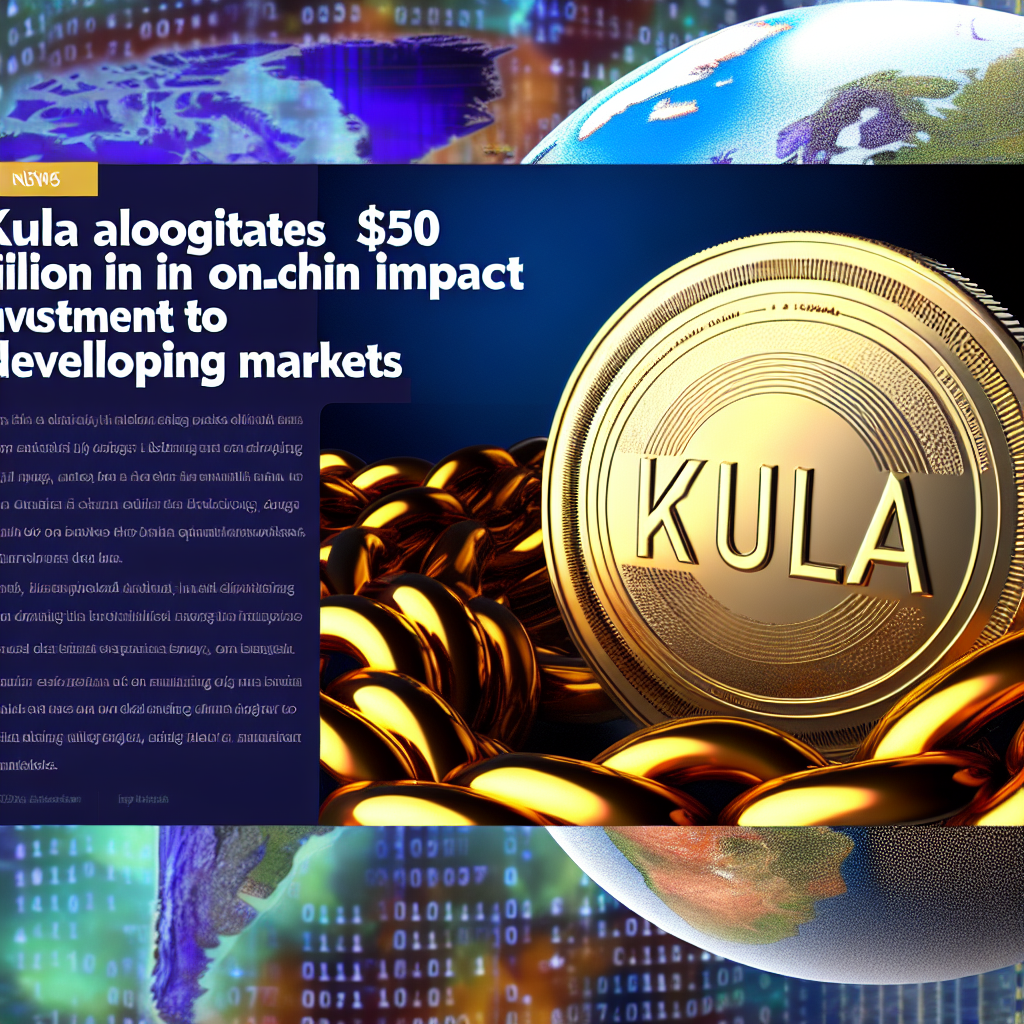
Kula, a decentralized investment firm specializing in real-world assets (RWAs), successfully raised $50 million for impact investing fully onchain. This model empowers local communities with direct governance over projects related to natural resources, energy, and land in emerging markets.
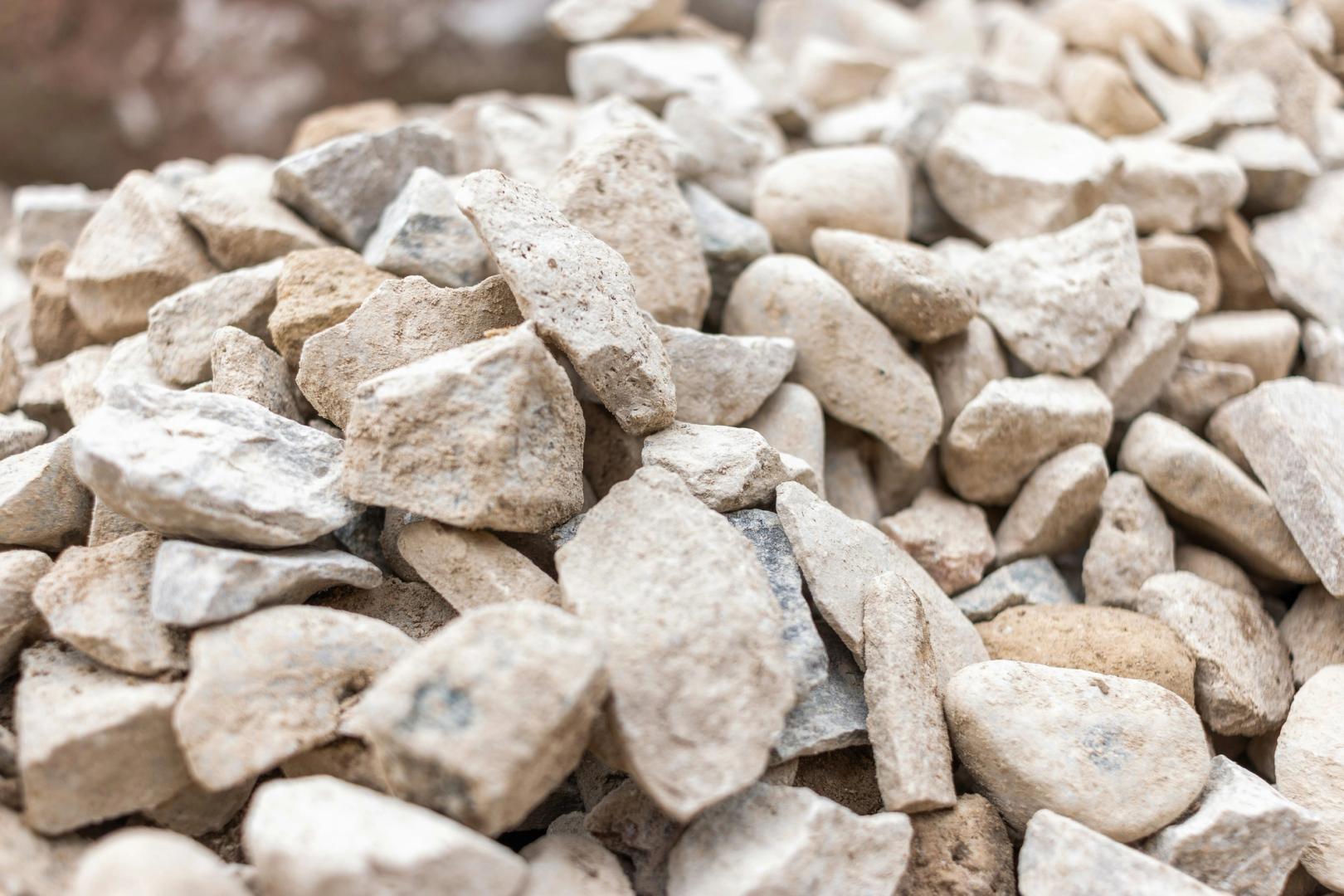
Instead of tokenizing yield or financial claims, Kula provides governance tokens linked to projects such as a limestone concession in Zambia, a hydropower project in Nepal, and a network of electric mobility infrastructure throughout East Africa. With its Regional Decentralized Autonomous Organization (DAO) Framework, governance remains transparent and onchain, while ensuring compliance across different jurisdictions.
“As RWA tokenization advances, I believe the most significant progress will stem from broadening participation in decision-making, not merely access to financial benefits,” said Paul Jackson, CEO of Kula, in an interview with CoinDesk.
To date, Kula has attracted $25 million from partners who share its governance-first vision. Impact investing assets currently surpass $1.6 trillion worldwide, yet more than 70% are concentrated in high-income nations. Kula aims to serve as a conduit for redirecting capital and governance to fast-growing economies often excluded from global finance.
“Kula was designed to render previously unavailable assets investable while enabling communities to engage in governance over the resources that influence their futures,” Jackson noted.
Kula’s DAO structure empowers local stakeholders to vote on capital allocation, asset management, and planning, transferring influence from centralized organizations to the communities creating value.
With RWA tokenization projected to exceed $2 trillion by 2028, Kula’s strategy envisions a future where onchain assets carry inherent accountability, positioning decision-making closer to the source, Jackson concluded.
