

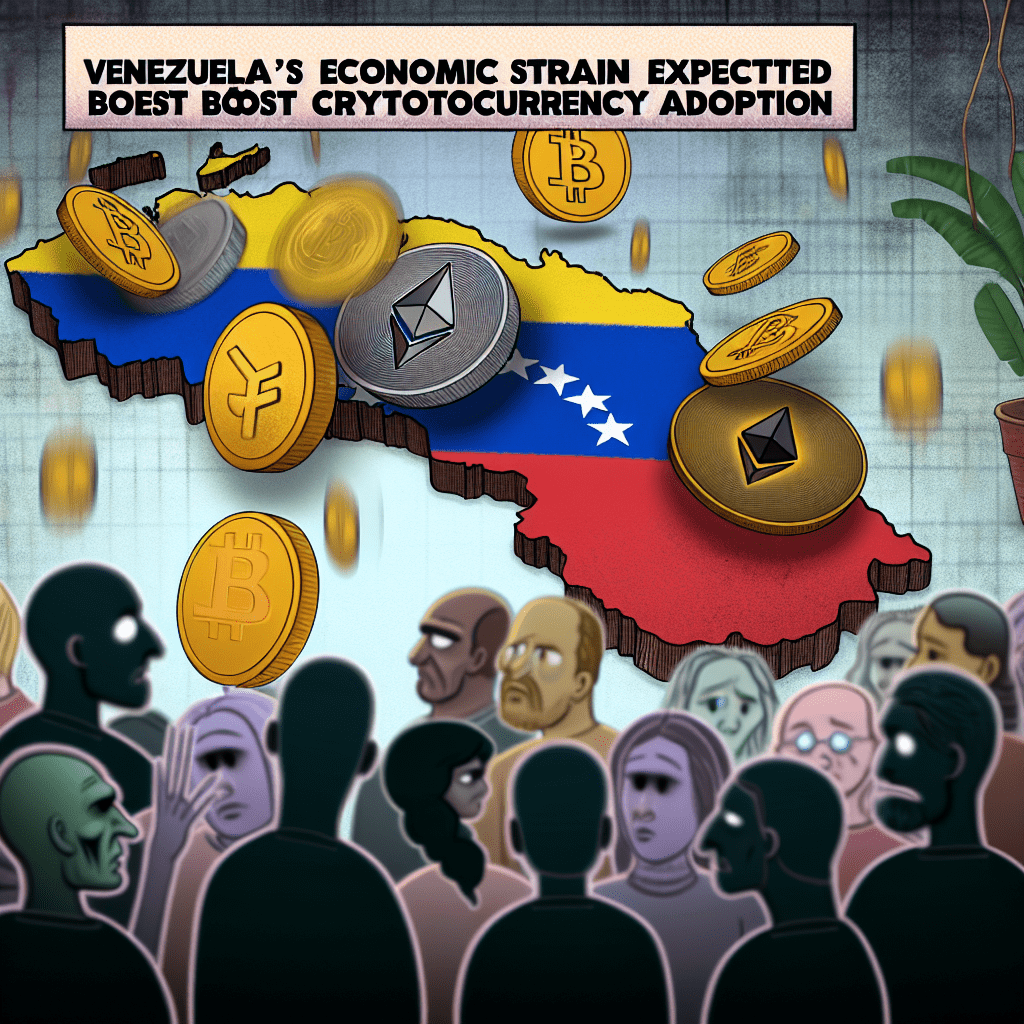
Venezuelans heavily depend on blockchain technology for banking after enduring a decade of economic strain; however, this reliance is expected to increase if conditions deteriorate in the South American nation, according to blockchain intelligence firm TRM Labs.
With rising regional and geopolitical tensions, partly stemming from US-Venezuela relations, macroeconomic instability persists along with the continued devaluation of the bolívar.
The TRM Labs team predicted in a Thursday report that the demand for stablecoins as a reliable store of value and means of exchange will increase.
At the same time, the unclear regulatory environment and ongoing uncertainty about the authority and enforcement capacity of the country’s crypto regulator, SUNACRIP, along with diminishing trust in traditional banking systems, are likely to extend the population’s dependence on digital assets.
“Without a significant change in Venezuela’s macroeconomic landscape or the establishment of unified regulatory oversight, the role of digital assets — particularly stablecoins — is set to grow.”

According to the Chainalysis 2025 Crypto Adoption Index report, Venezuela ranks 18th globally for crypto adoption found, but its rank rises to 9th when adjusted for population size.
Peer-to-peer transactions a key service for Venezuelans
Peer-to-peer (P2P) transfers, which occur between individuals via an intermediary, along with USDT (USDT) to-fiat conversions, have become essential services for Venezuelans lacking dependable domestic banking options, according to TRM Labs.
The blockchain intelligence firm analyzed Venezuelan IP addresses and discovered that over 38% of visits went to a single global platform offering P2P trading capabilities, highlighting its “role in facilitating crypto access in Venezuela’s low-banking environment.”
“A large portion of crypto-to-fiat exchanges is conducted through platforms that support informal transaction channels — even amid reports of occasional service interruptions.”
Related: Venezuela blocks Binance, X amid presidential election dispute
“Local platforms are also crucial, especially those providing mobile wallets and bank integrations tailored for domestic users,” the team added.
Venezuela’s crypto industry created out of desperate necessity
The crypto ecosystem in Venezuela has emerged from nearly a decade of economic collapse, international sanctions, and state experimentation with digital financial solutions, according to the TRM Labs team.
Stablecoins, particularly USDT, are vital for household and business transactions in Venezuela, and despite concerns over compliance and evasion of sanctions, their use is driven “overwhelmingly by necessity rather than speculation or criminal motives.”
“For most Venezuelans, stablecoins have become a substitute for retail banking — facilitating payroll, remittances, vendor payments, and cross-border purchases amidst inconsistent domestic financial services.”
Magazine: Quantum attacking Bitcoin would be a waste of time: Kevin O’Leary
