

Good Morning, Asia. Here’s the latest in market news:
Welcome to Asia Morning Briefing, your daily recap of key stories during U.S. hours, along with market insights and analysis. For a detailed look at U.S. markets, check CoinDesk’s Crypto Daybook Americas.
Traditional views suggest that the race for Asia’s crypto hub is a showdown between Singapore and Hong Kong. Both cities share English as an official language and are governed by Western-inspired common law.
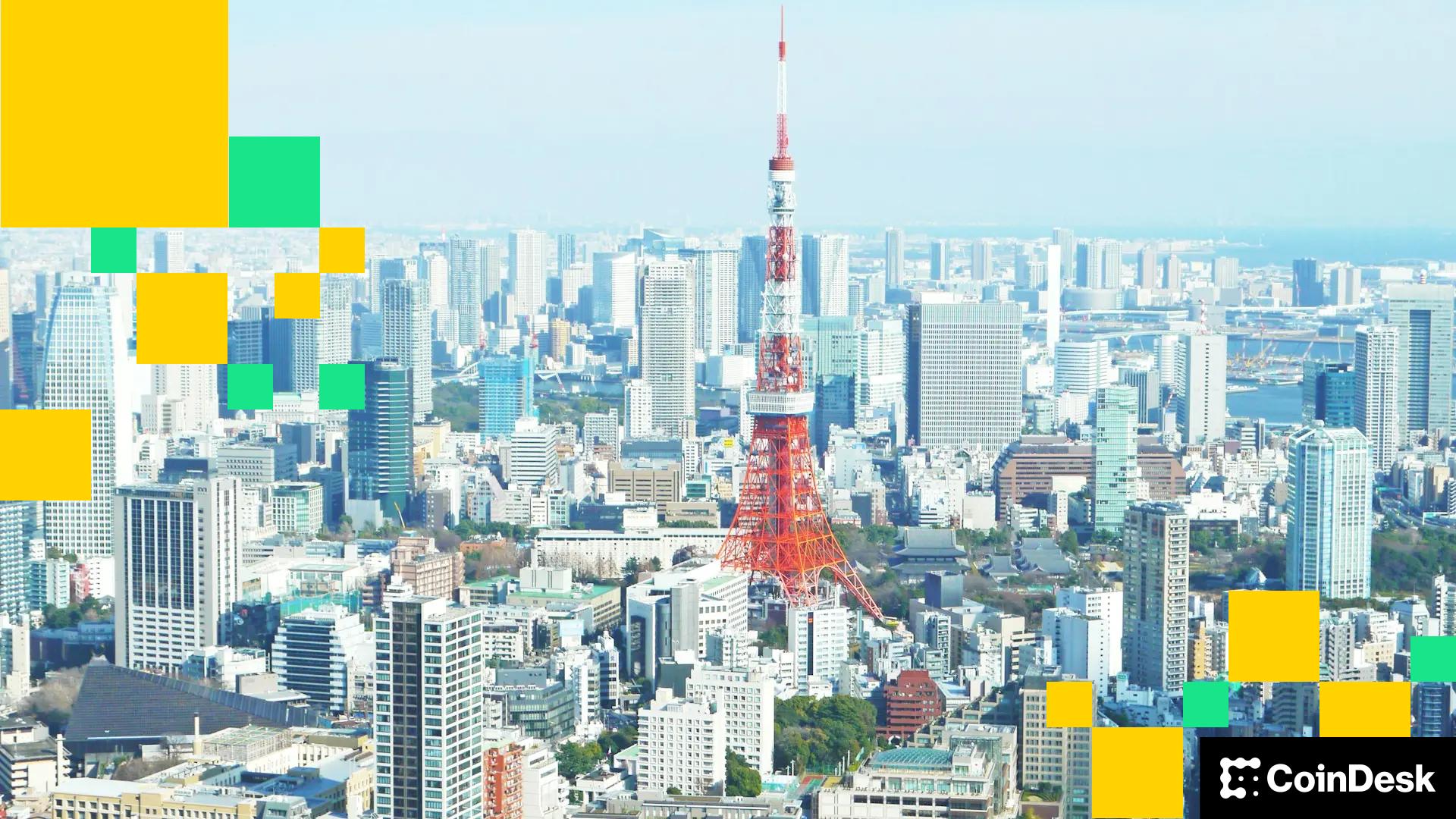
However, during Token2049, industry leaders were not debating which city would dominate the crypto scene. Instead, they focused on Japan, once considered overly regulated, that has now emerged as a robust market for genuine trading volume, staking infrastructure, and institutional expansion.
“Japan experienced a long period without regulation, which is where crypto first gained traction. Then it tightened regulations severely, causing stagnation for years,” said Konstantin Richter, CEO of Blockdaemon, to CoinDesk during Token2049. “But efforts persisted, and now they have established a regulatory framework that can support institutional growth and is poised for advancement. Meanwhile, here in Singapore, after an initial period of openness, regulation is now being constructed.”
Singapore swiftly embraced crypto firms, gaining recognition as Asia’s innovation sandbox. This approach worked until it didn’t.
The downfall of FTX and other collapses unveiled inadequate consumer protections, prompting the Monetary Authority of Singapore (MAS) to move towards more rigorous oversight in 2024. The outcome: increased compliance costs, required custody segregation, mandatory external audits, and a slowing down of the licensing process. Those unwilling to comply must exit, even if they do not serve local clients. It’s a significant effort for a relatively modest market.
“Singapore was so inviting to crypto that firms flocked here,” Richter mentioned. “As the industry matured, it became clear that more stringent regulations were necessary.”
In contrast, Japan laid down its regulatory groundwork years ago.
After the incidents involving Mt. Gox (2014) and Coincheck (2018), Japanese regulators established strict licensing, asset segregation, and domestic custody requirements well before the FTX disaster.
By 2025, rather than imposing more restrictions, Japan is slightly liberalizing: permitting institutional staking, paving the way for crypto-backed ETFs, and clarifying the framework for yield offerings.
Unlike Singapore’s reactive regulatory measures, Japan’s authorities developed comprehensive rules on custody, segregation, and security years prior. Exchanges are mandated to keep client assets separate and utilize domestic validators, fostering an environment institutional investors find favorable.
Richter pointed out that Asian clients, particularly in Japan, are more inclined to invest in institutional-grade infrastructure, contrasting with European clients who are generally more cost-sensitive.
The transformation extends beyond regulations. Japan’s recently lifted negative interest rates bolster the appeal of staking: a 3% ETH yield dramatically outpaces domestic treasury returns. Consequently, Blockdaemon and other node operators view Tokyo as an upcoming hotspot for institutional staking investments.
Derivatives exchange BitMEX is also noticing this trend. In a recent chat with CoinDesk, BitMEX CEO Stephan Lutz stated that the exchange had relocated its data center to Amazon Web Services’ site in Tokyo to better position itself in this thriving market.
Japan’s crypto regulatory framework, previously criticized as overly stringent, now provides a significant advantage: reliable oversight, investor protections, and burgeoning institutional yield.
The pressing question remains: how will the established centers of Hong Kong and Singapore respond?
Market Movement
BTC: Bitcoin surpassed $126,000 thanks to a “perfect storm” of favorable macro factors. This surge past $125,000 was primarily driven by retail demand, with ETF inflows on hold, as retail traders sparked momentum through significant perpetual funding rates. BTC’s strength above previous highs indicates that larger investors are maintaining their positions and fears of scarcity are intensifying.
ETH: Ethereum traded at around $4,705, continuing its upward trend fueled by renewed interest in on-chain factors, optimism over upgrades, and a pivot from BTC to altcoins. BitMine Immersion Technologies (BMNR) added 179,251 ETH to its holdings last week, bringing the total to 2.83 million tokens valued at $13.4 billion, aiming to secure 5% of Ethereum’s supply and strengthen its status as the second-largest listed crypto treasury following Strategy.
Gold: Gold traded at approximately $3,960, approaching Bank of America’s long-desired $4,000 target. However, analysts caution that the metal may be overbought and could enter a consolidation phase in Q4 after a remarkable 50% yearly gain, despite long-term charts indicating potential for gains up to $5,000–$7,000 if the bull market persists.
Nikkei 225: Japan’s Nikkei 225 reached another all-time high Tuesday, spurred by a tech rally on Wall Street and robust chip stocks post the OpenAI-AMD agreement, continuing its upward trend following Sanae Takaichi’s election as Japan’s next prime minister which has fostered hope for pro-growth policies.
Elsewhere in Crypto: