


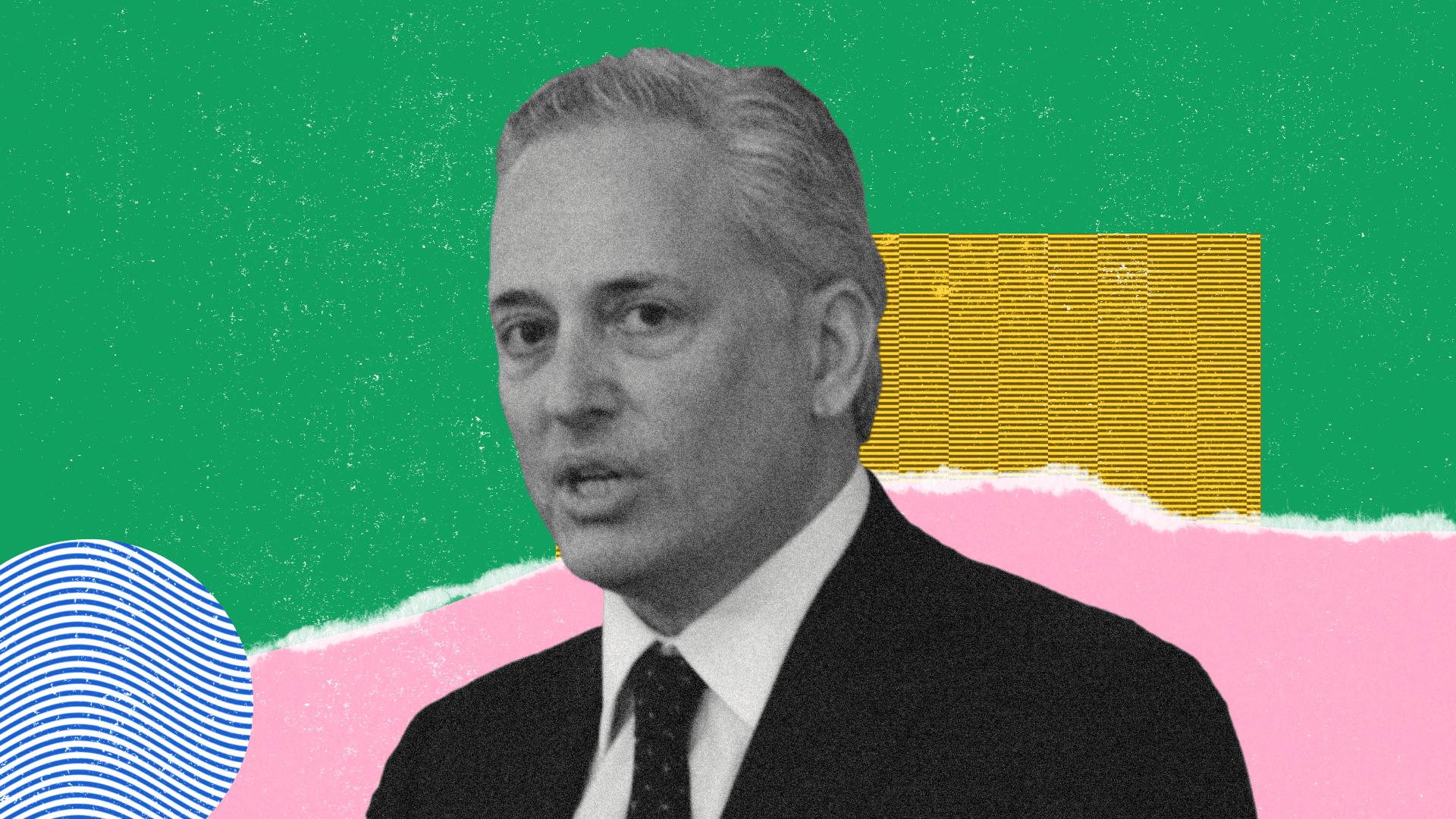
David Sacks, a prominent figure from the PayPal Mafia and co-founder of Craft Ventures, was one of U.S. President Donald Trump’s initial significant selections for a cryptocurrency position as he geared up to return to office, appointing Sacks as the White House AI and Crypto Czar in December 2024. In this capacity, Sacks witnessed Congress enact the first significant crypto legislation and saw multiple executive orders signed by Trump addressing a range of issues—from the establishment of a Bitcoin reserve to directing federal agencies to reassess their stance on cryptocurrency.
This article is part of CoinDesk’s Most Influential 2025 list.
The Silicon Valley veteran is well-acquainted with the cryptocurrency landscape, having invested in firms like Bitwise, dYdx, and BitGo through his venture fund. Alongside Craft Ventures, Sacks also serves as a limited partner at Multicoin Capital.
“I’m eager to collaborate with all of you to foster a golden era for digital assets,” he proclaimed during a press briefing in early February, highlighting that crypto was a “week-one priority for the administration.”
In his role as Czar and officially as a Special Government Employee, Sacks holds a more prominent position than Bo Hines or Patrick Witt, the White House’s representatives for Congressional cryptocurrency negotiations, yet he also encounters limitations in his role, an issue actively raised by Congressional Democrats.
Since assuming the position, he has dealt with concerns related to conflicts of interest; however, he noted earlier this year that he had divested from most of his actual cryptocurrency assets and direct investments in crypto companies.
According to The New York Times, Sacks still maintains some financial connections with technology and cryptocurrency enterprises, including companies that present themselves as AI firms. Some of these connections stem from his ongoing partnership at Craft Ventures, which has invested in several entities. Sacks commented in a post on X (formerly Twitter) that some of the allegations were “baseless” and that details were “fabricated,” prompting him to engage the Clare Locke law firm to draft a letter to the Times (which maintained its support for its reporting).
