

Written by: Joshua Chu, co-chair of the Hong Kong Web3 Association
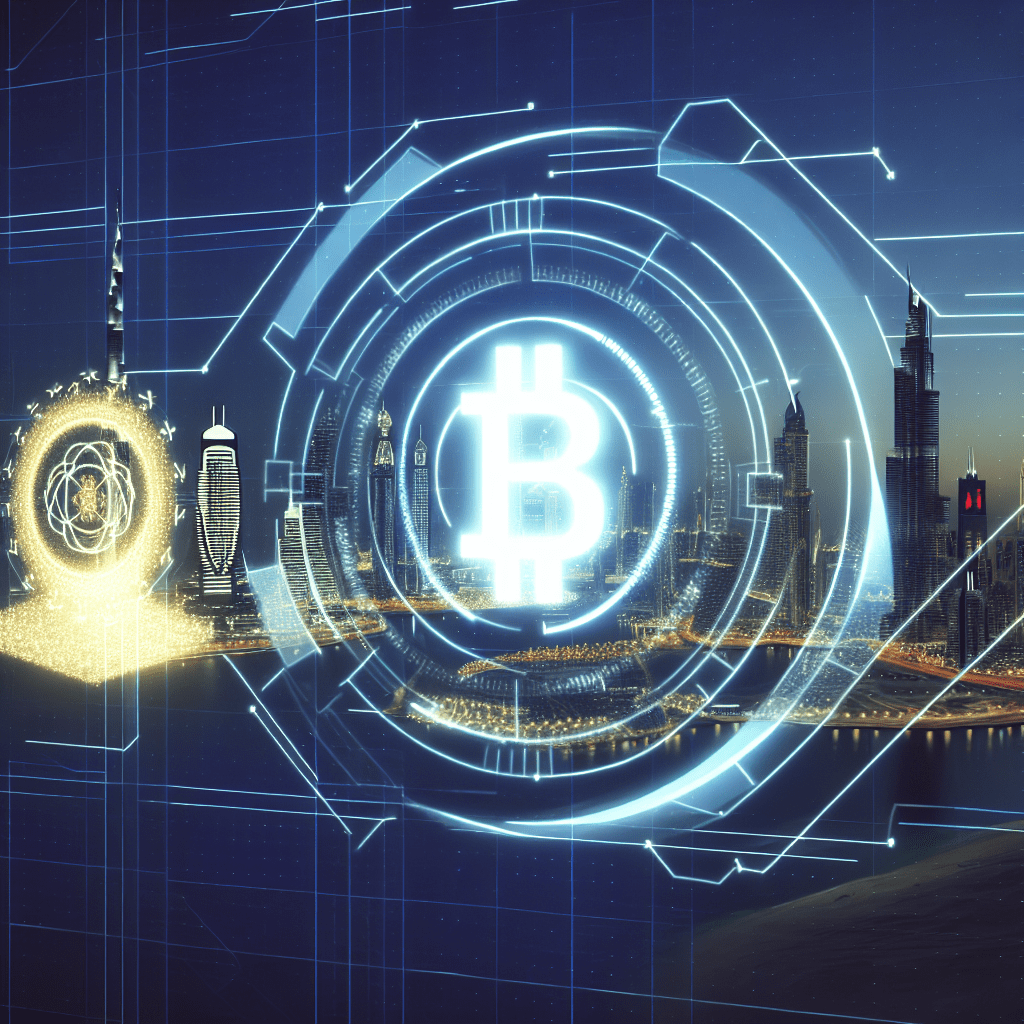
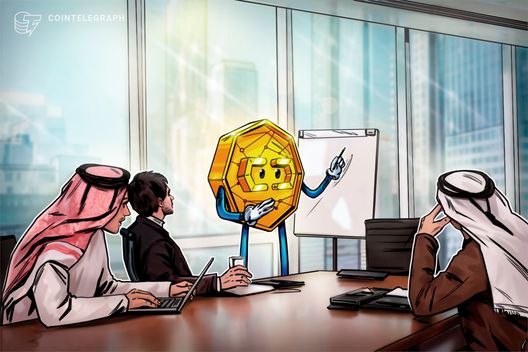
Dubai is unmistakably vying with its Asian rivals for the title of the world’s next crypto capital.
Behind the shimmering skyscrapers, where supermodels frequent crypto gatherings and experimental blockchain initiatives, a nuanced strategy is unfolding.
Similar to Beijing’s approach of utilizing confiscated digital assets for geopolitical dominance with strong infrastructure in Hong Kong, Dubai is orchestrating its own strategy, combining sovereign wealth from oil, foundational Islamic finance, and unique regulatory frameworks to carve out its niche in the crypto landscape.
Dubai’s strategy aligns with fundamental principles often observed in grand strategies of Middle Eastern countries, emphasizing resource mobilization and the harnessing of distinctive social and religious identities.
Dubai’s Crypto Strategy
At its essence, Dubai seeks to capitalize on its controllable oil wealth, including a robust sovereign wealth fund, to swiftly build the infrastructure necessary for Web3 companies and to foster innovation.
At the same time, Dubai aims to anchor itself in the digital Islamic finance sector, catering to a global market that encompasses nearly a quarter of the population.
Dubai stands out in its dual mission of promoting crypto adoption while fostering a Sharia-compliant digital economy, meeting market needs and establishing a strong identity that few non-Islamic competitors can easily replicate.
Notably, Dubai’s tax-free real estate market may provide a significant competitive advantage. Saudi Arabia, for instance, imposes a 5% transaction tax based on value, which Dubai does not.
This unique feature established Dubai as a frontrunner in real estate tokenization, allowing secondary trades free from the complexities of real estate transfer taxes. There are less than 20 countries without property tax.
This distinct legal and economic advantage has propelled Dubai ahead in tokenizing what is typically a traditional, illiquid asset class.
However, every advantage also has limitations. While Dubai’s real estate tokenization project is promising, it might face hurdles, especially given the heavy reliance on expatriates in its financial sector. For instance, an American owning a real estate token may struggle with disclosure requirements for both the virtual asset and the underlying real estate.
This limitation should caution against overconfidence, as initial advantages and oil wealth alone may not guarantee global leadership.
Comparing Dubai to Asian Crypto Giants
In the race for crypto supremacy, Singapore and Hong Kong remain formidable competitors. Both cities tout their regulatory clarity.
Conversely, the UAE’s regulatory framework is relatively fragmented, overseen by multiple authorities, including the Virtual Assets Regulatory Authority, which regulates activities in mainland and free zones, apart from their unique jurisdictions like the Dubai International Financial Centre and the Abu Dhabi Global Market.
Despite Dubai’s promotion of zero personal income tax and an appealing corporate tax environment, businesses often grapple with high operational costs that offset these tax benefits. Local Emiratis must be hired under Emiratization policies, and regulatory supervision fees become a recurring issue, akin to taxation regardless of profitability.
Related: Smart money is betting on DePIN across emerging markets
That said, modern jurisdictions like Singapore also face significant challenges, particularly limited market size and geographic reach. In contrast, both the UAE and Singapore fall behind Hong Kong’s unmatched crypto liquidity and robust regulatory frameworks, bolstered by its connection to Beijing’s influence.
Hong Kong’s Advantage in the Crypto Landscape
For the year 2025, according to the Hong Kong government, “Hong Kong ranks third globally in Global Financial Centres Index,” behind only New York and London. This ranking showcases excellent performance in fintech innovation, infrastructure, human capital, and business environment, yielding substantial benefits in institutional capital. Hong Kong preserves this esteemed position well ahead of competitors like Dubai, which ranks 11th, and Singapore, at fourth.
Furthermore, Hong Kong benefits from China’s crypto strategy, positioning the city as a dynamic price-setting entity with geopolitical importance, attracting even the Trump family to acknowledge its crypto prowess earlier this year.
Contrasting the U.S. and its passive “hold-only” stance on crypto reserves, or the Philippines’ plan to hoard Bitcoin (BTC) like obsolete Nokia stock, Beijing’s strategy involves leveraging Hong Kong to stabilize markets and adapt quickly to geopolitical pressures through liquidity management. This enables Hong Kong to surpass Dubai and Singapore in both influence and scale.
Power Dynamics in Asia’s Crypto Scene
Dubai’s strategic vision is indeed a commendable synthesis of oil wealth, Islamic finance, and advantageous tax conditions. It has made impressive advances in blockchain initiatives like real estate tokenization, indicating a strong desire to be a leader in Asian crypto. However, the gap in financial infrastructure, liquidity, and trust remains significant.
In the meantime, while Singapore’s regulatory landscape is advanced, it lacks the liquidity that both Dubai and Hong Kong possess.
Hong Kong’s superior financial infrastructure, liquidity strategies, and direct access to Beijing’s crypto reserves, exemplified by Eric Trump’s characterization of the city as a “hell of a power,” solidifies its position at the forefront of Asian crypto.
For Dubai, the clear challenge lies in transforming inherent advantages into scalable, cross-border liquidity solutions while strengthening its foothold in the Islamic digital finance sector. Until these advantages are fully realized, the Asian crypto crown continues to rest with Hong Kong and China.
Written by: Joshua Chu, co-chair of the Hong Kong Web3 Association.
This article is for general informational purposes and is not intended as legal or investment advice. The views, thoughts, and opinions expressed are solely those of the author and do not necessarily represent the views or opinions of Cointelegraph.
