

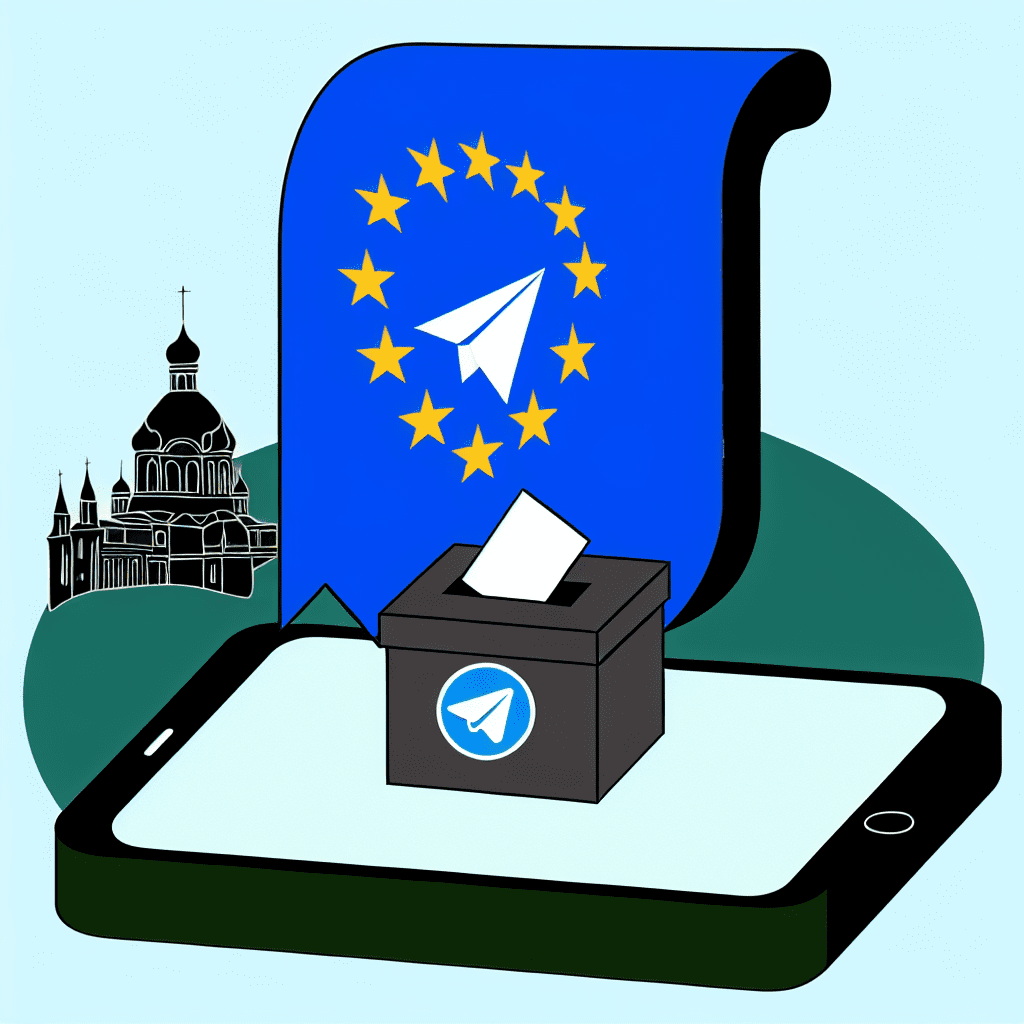
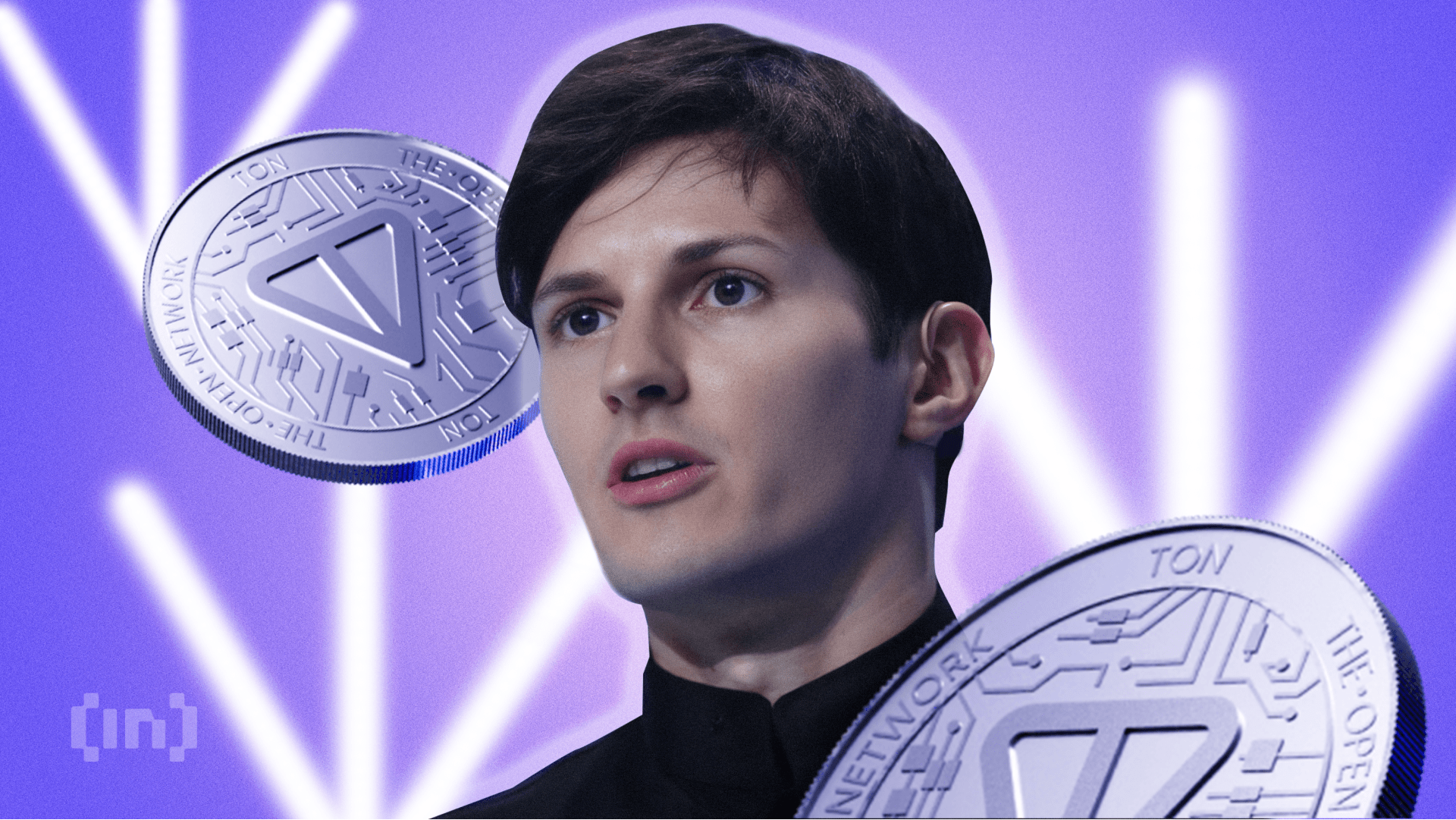
Telegram CEO Pavel Durov made bold claims regarding Moldova’s elections, alleging that French authorities pressured him to censor pro-Russian channels about a year ago.
As both Russia and the EU placed significant pressure on the small nation, Telegram, cryptocurrency, and other Web3 tools introduced new strategies that could undermine public trust in future elections.
Sponsored
Sponsored
Durov’s Allegations on Moldova
Moldova’s elections occurred yesterday, with foreign policy emerging as a pivotal concern for the nation. Should the government seek EU membership or engage in greater ties with Russia? Investigators recently uncovered a pro-Russian campaign that utilized crypto funds for candidates, activists, polling efforts, and other activities.
However, the situation has become increasingly complex, as pro-EU figures also appeared to make extraordinary efforts to sway the outcome. Specifically, Telegram CEO Pavel Durov has accused French officials of attempting to influence Moldova’s elections:
Durov did not suggest that this meddling occurred recently; it allegedly took place while he was detained in France last year. He claimed that French intelligence requested he ban certain Telegram channels for electoral interference, all of which were pro-Russian groups, as flagged by French and Moldovan officials.
Did EU Officials Engage in Blackmail?
Durov scrutinized these questioned Moldovan channels and found that several indeed breached Telegram’s terms of service. After removing them, he alleges that French intelligence indicated they would “speak favorably” of him to the overseeing judge. Following that, there were further requests to eliminate additional pro-Russian channels, which Durov declined.
Sponsored
Sponsored
If Durov’s allegations prove accurate, an EU government would be actively involved in manipulating Moldova’s elections.
Additionally, authorities took the contested step of banning two pro-Russian parties just one day prior to the election, further skewing the democratic process. Eurocentric parties emerged victorious thereafter.
Nevertheless, it may be prudent to view these claims with skepticism. Durov has critiqued his arrest multiple times, yet only presented these year-old allegations during the Moldovan elections.
Ultimately, France released him even after his refusal to continue banning pro-Russian Telegram channels, suggesting that his narrative could be flawed or misleading.
Web3’s Impact on Democracy
Regardless, these are grave allegations. The entirety of Moldova’s population is smaller than that of Chicago, and two major world powers may have interfered with its democratic process. How can the nation forge its future under such circumstances?
Moreover, the crypto sector has legitimate concerns. Bitcoin was designed to be decentralized and borderless, yet Web3 firms might be implicated in electoral interference.
Developers must uphold solid principles to resist partisan domination.
