


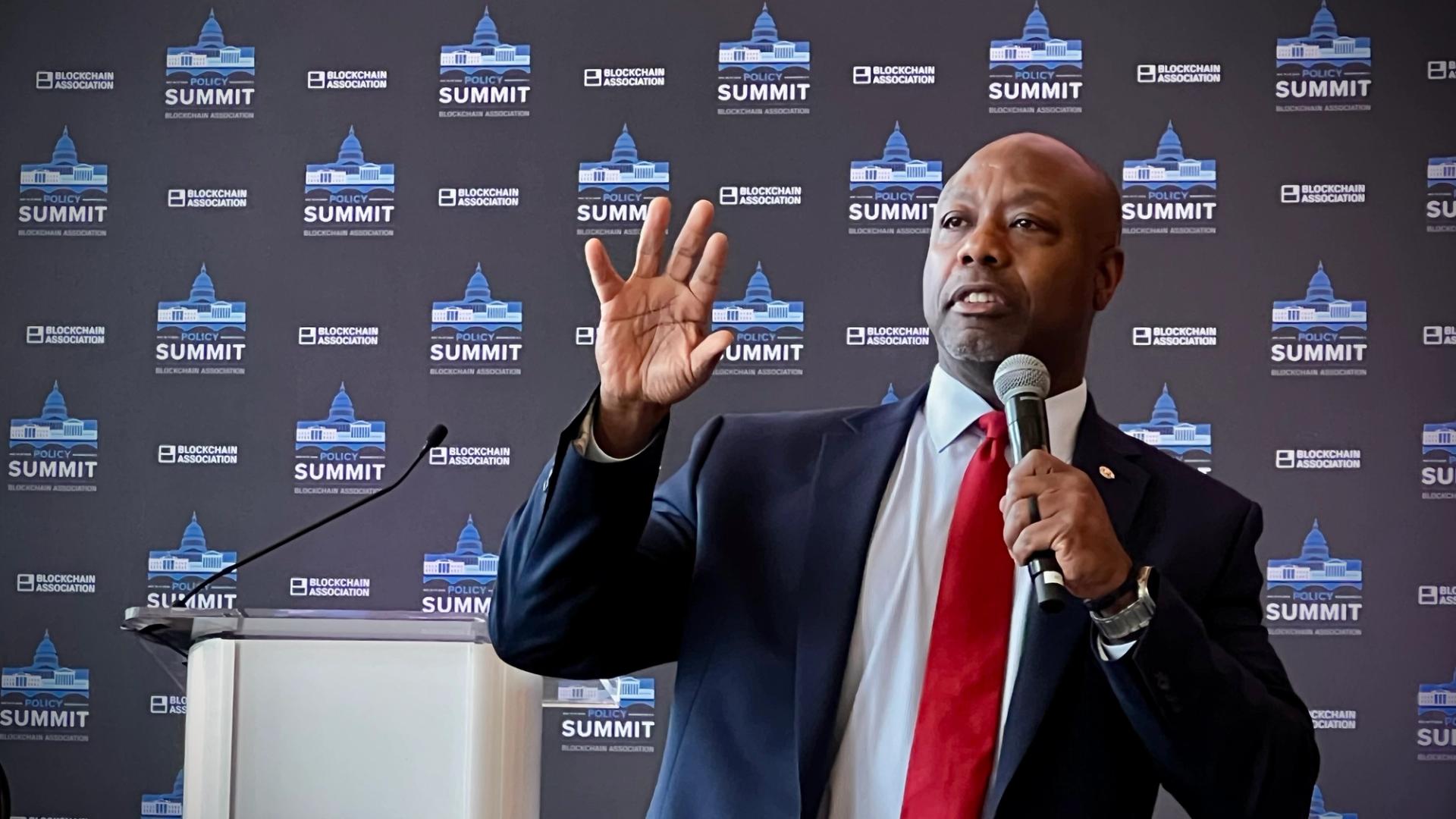
U.S. senators convened on Tuesday to renew discussions on the crypto bill aimed at establishing the market framework for digital assets, as per sources close to the matter. However, no new agreements have been revealed concerning the various topics under debate between Democratic and Republican negotiators.
During the meeting, Senator John Kennedy, informed Punchbowl News that Senate Banking Committee Chairman Tim Scott intends to schedule a bill markup on Jan. 15. The committee is expected to publish an updated draft bill prior to the markup, although the last draft was shared months ago.
After a prolonged period of negotiation that did not yield a conclusive product during the last congressional session, the process is commencing again for 2026, even as lawmakers contend with a tight and politically challenging timeline. Senate members have been debating President Donald Trump’s actions on Venezuela and face a January 30 deadline for federal spending legislation to avert another government shutdown. Nevertheless, crypto continues to be a priority for Congress.
If Scott moves forward with the markup next week, it may alleviate some budgetary pressures, but bipartisan support is unlikely unless senators can swiftly address several contentious issues raised by Democrats. Those Democrats, some of whom participated in Tuesday’s meeting according to sources, have advocated for ethical standards in the crypto bill to prevent senior government officials from profiting from digital asset activities, akin to the actions of President Donald Trump. They are also pushing for regulations on decentralized finance (DeFi) platforms and restrictions on crypto yields that could enable the industry to compete directly with banks.
These contentious points could threaten industry backing for the legislation, yet members from both parties have expressed a desire to reach an agreement and enact legislation. Should Kennedy’s suggested timeline for next week hold true, it might compel Democratic negotiators to oppose any voted measures unless a consensus is achieved.
David Sacks, Trump’s crypto czar, indicated last month via a post on social media platform X that Scott had committed to a January markup, although Scott has not confirmed this publicly.
Numerous pressures are converging to heighten the urgency for crypto legislation in the Senate. The House of Representatives has already passed its own Digital Asset Market Clarity Act to establish U.S. crypto regulation and is awaiting action from the Senate. The approaching January 30 deadline for federal spending legislation adds further urgency to avoid a repeat of the recent lengthy government shutdown. Additionally, this year features midterm congressional elections, which amplify political pressures and calendar limitations.
On Tuesday, the banking sector reiterated its keen interest in utilizing this bill to revisit last year’s Guiding and Establishing National Innovation for U.S. Stablecoins (GENIUS) Act in order to prohibit crypto affiliates from offering yields on stablecoins. This has led to an ongoing lobbying struggle between the two sectors, and the outcomes of the Senate negotiations may determine which industry gains the upper hand.
Read More: What if crypto’s U.S. market structure effort just never gets there?
