


Bitcoin surged past $91,000 on Sunday as traders continued the early 2026 rally across major cryptocurrencies, with ether, solana, and cardano seeing significant increases, fueled by geopolitical news from Venezuela that heightened risk appetite.
Bitcoin was trading around $91,300 during the Asian morning session, marking a 1.4% increase for the day and over 4% for the week. Ether climbed approximately 1% to near $3,150, up about 7% this week, while solana rose about 1.6% and is over 8% higher over the past seven days. XRP was just above $2, gaining about 0.6% on the day and nearly 10% for the week, and cardano also saw slight gains today, up around 8% over seven days.
This rally followed a significant liquidation event that cleared out crowded positions and reset the leverage for the near term.
Recent data indicated that around $180 million in futures positions were liquidated in the last 24 hours, with roughly $133 million from shorts and $47 million from longs. This imbalance shows that traders were caught against the rally, leading to forced buybacks as prices rose.
Sunday’s price increases were also in response to a rapidly changing political landscape in Venezuela.
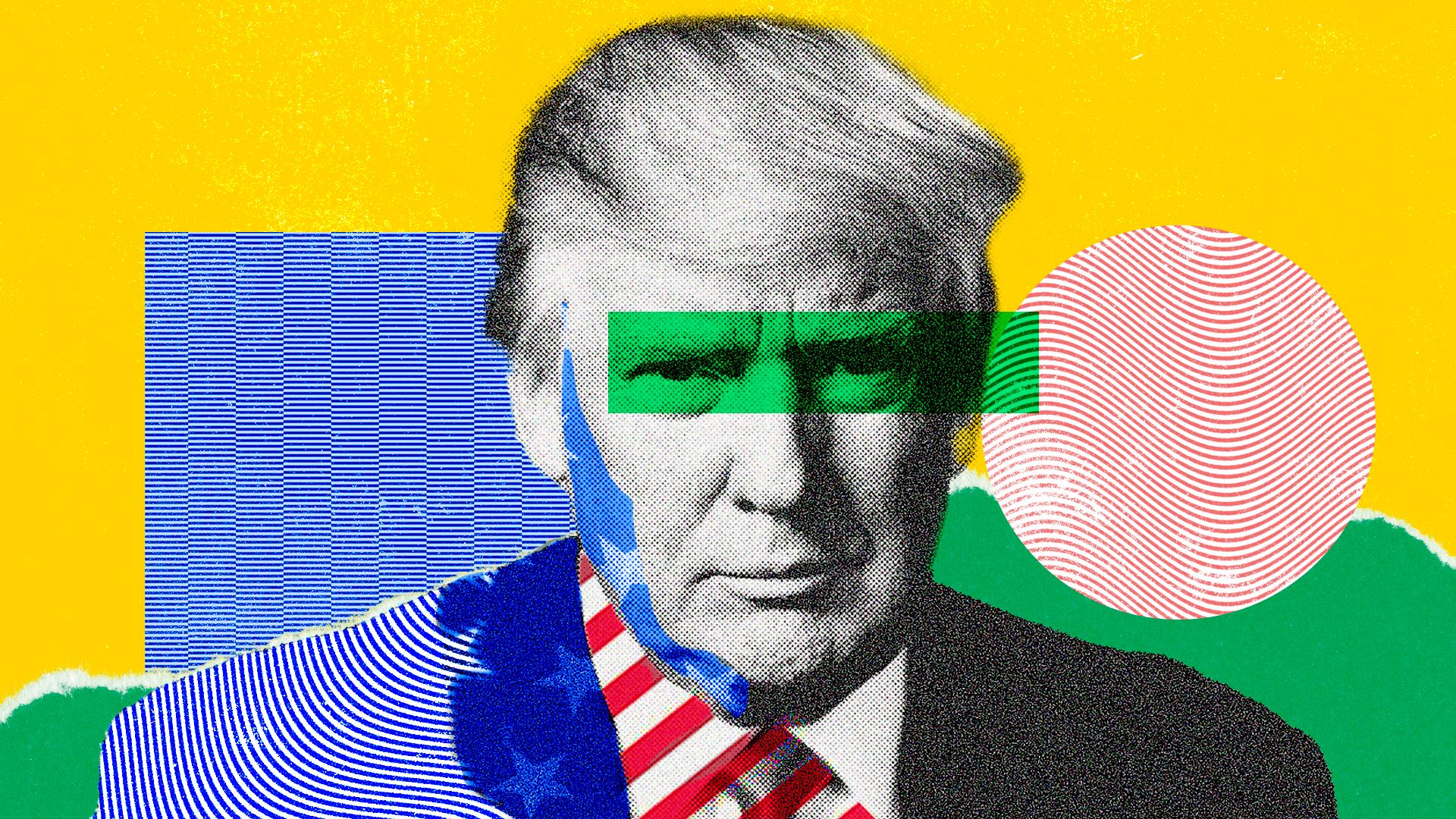
President Donald Trump mentioned that the U.S. intends to “run” Venezuela, while the White House provided limited information on the implications. Meanwhile, Venezuela’s Supreme Court has transferred all presidential powers to Vice President Delcy Rodríguez in the interim after ousted President Nicolás Maduro was detained by U.S. authorities.
Trump also emphasized a focus on Venezuela’s oil, stating that the U.S. would establish a “presence in Venezuela concerning oil,” suggesting that U.S. ground troops would not be necessary if Rodríguez “aligns with our wishes.”
Crypto traders typically see such headlines as catalysts for volatility rather than direct macroeconomic influences, although the overall risk sentiment can still play a crucial role.
During periods of low liquidity, even minor spot demand can drive prices past technical thresholds, triggering stop-driven movements in futures markets.
This phenomenon is intensified when traders are positioned for a price pullback, as forced covering can transform a gradual upward trend into a sharper ascent.
