


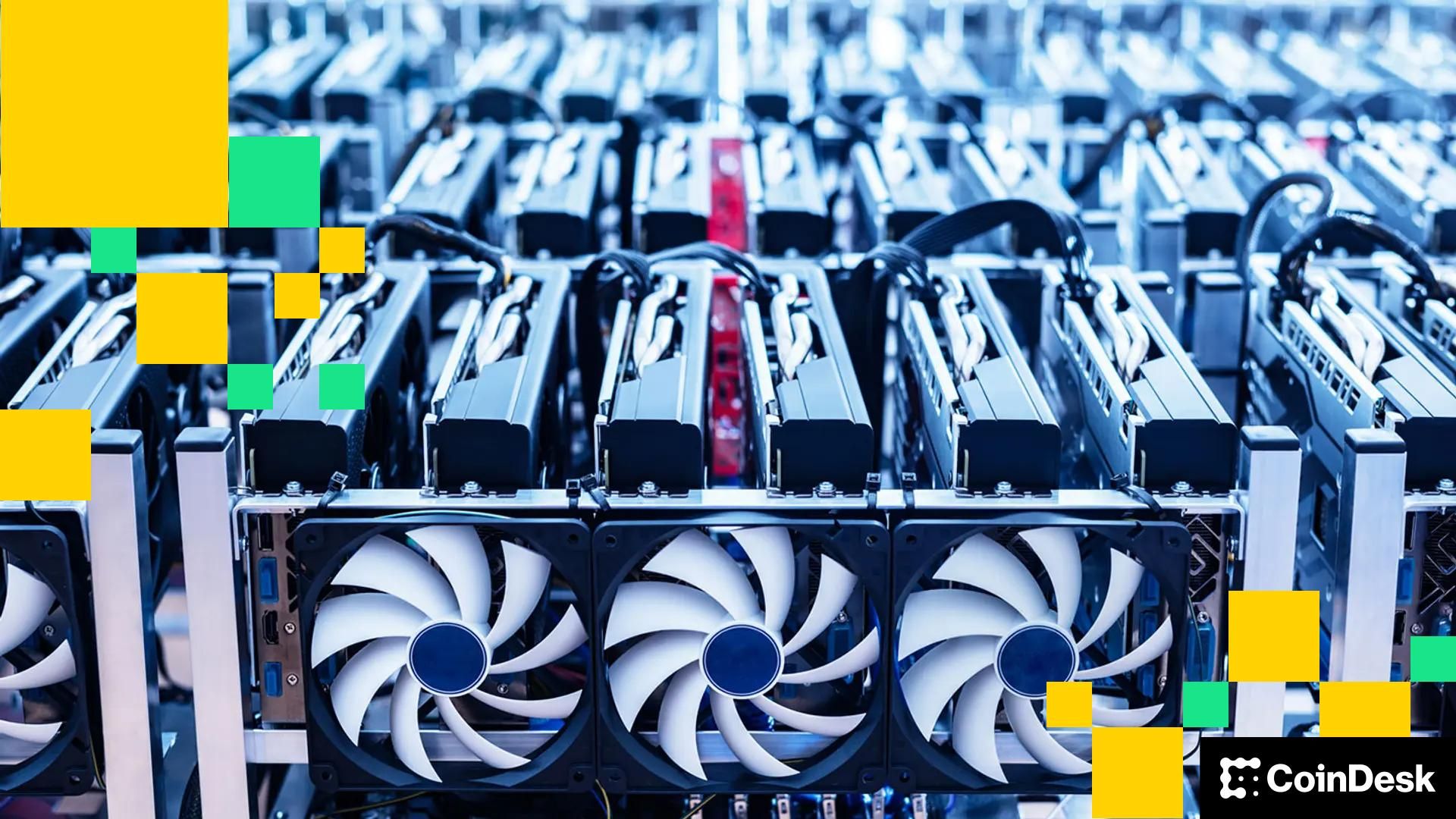
Investment bank KBW has elevated TeraWulf (WULF) to “outperform” from “market perform,” increasing its price target from $9.50 to $24.
The firm noted that the market is undervaluing the earnings potential stemming from the company’s transition from bitcoin mining to AI and high-performance computing (HPC) leasing.
“We believe investors are not fully recognizing the impact of the shift from BTC mining to HPC leasing expected in 2026-2027 and the strong growth opportunities from the 646 MW net of visible HPC leasing pipeline through 2027,” analyst Stephen Glagola stated in a report on Wednesday.
The stock saw a slight rise in early trading on Wednesday, reaching $11.18.
Bitcoin miners are increasingly transitioning to host AI and high-performance computing hardware within their existing data facilities to enhance profitability.
The analyst projects that TeraWulf’s current leases could yield a 505% EBITDA compound annual growth rate (CAGR) from 2025 to 2027, aiding in multiple expansion from the stock’s current 13.8x EV/EBITDA valuation.
The analyst’s optimistic outlook is based on the firm’s 646 megawatt HPC leasing pipeline through 2027 and the diminishing significance of mining to its business model.
KBW anticipates that HPC leasing will account for approximately two-thirds or more of TeraWulf’s revenue in 2026, substantially contributing to profit, while mining’s contribution is expected to become negligible by 2027.
The report highlighted that execution risks are lower than investors might believe, thanks to secured financing for significant projects, a proven delivery record, and favorable debt market conditions. The recent dip in share price reflects broad sector-related selling in bitcoin miners rather than issues specific to the company.
KBW suggested that these valuations should improve as lease revenues increase in 2026, leading to cap-rate compression and enhanced valuation, with additional opportunities from potential new HPC deals announced in the coming year.
Read more: AI trade isn’t dead: An inside look into Wall Street’s lucrative data center deals
