


Disclosure: The opinions expressed herein are solely those of the author and do not reflect the views of crypto.news’ editorial team.
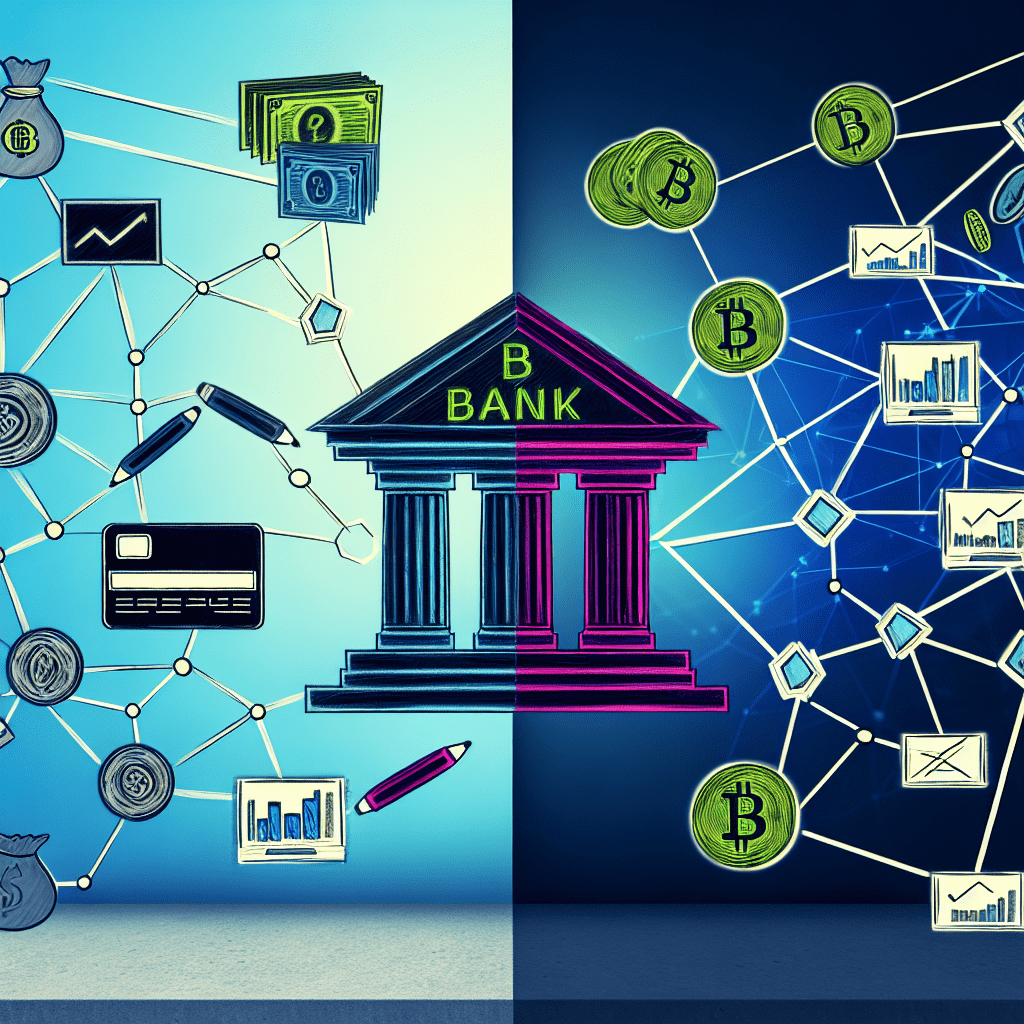
For years, cryptocurrency promised financial democratization, aiming to include the unbanked and enhance financial access. However, this promise has largely remained theoretical. While blockchain technology transformed the way we settle and own assets, many still engage with traditional financial systems. The gap between the crypto ecosystem and capital markets continues to exist, stemming not from a lack of interest, but from a lack of connectivity.
Summary
- The stalled promise of crypto: Capital markets have not significantly adopted blockchain due to their disconnection from traditional finance.
- Trust and usability drive adoption: Essential factors include seamless user experiences, clear regulations, and hybrid blockchain models to widen access without increasing risk.
- The future holds an onchain approach: A unified, programmable, and compliant financial system will blur the lines between traditional finance and crypto.
That bridge is gradually forming. We are entering a new phase where fintech integrates with blockchain — leading to a financial shift onchain. The real question is not if this integration will occur, but how effectively it will enhance accessibility in capital markets without replicating existing disparities.
The promise: A world without financial gatekeepers
The inherent logic of blockchain aligns with fintech’s long-standing goals: enhancing efficiency, transparency, and accessibility. The transition of capital markets onto the blockchain could ideally achieve all three simultaneously.
Tokenizing physical assets can facilitate trading of everything from bonds to real estate as easily as digital tokens. Settlement processes could transform to become immediate. Custody might be simplified, and compliance could be programmable if designed correctly.
For individual investors, this could mean real engagement in markets that were previously inaccessible: opportunities for credit, yield, and varied investments without middlemen taking a significant share. For institutions, advantages could include cost savings, enhanced global liquidity, and financial products that settle within moments instead of days.
This is the vision: an open, clear, and programmable capital market built on blockchain yet conversing in financial terms.
Retail adoption: Streamlined access
However, accessibility transcends technology; it is also about user experience. For many retail investors, finance is already digitized through platforms like Revolut, Robinhood, or Cash App. The future leap isn’t just about making these services “more digital,” but ensuring they work seamlessly with blockchain systems so that users can transition effortlessly between fiat and onchain assets without needing in-depth knowledge of gas fees, seed phrases, or chain IDs.
This is where fintech currently holds an advantage. It has excelled in making user experience synonymous with trust. Users prioritize visible balances and frictionless transactions over understanding the underlying technology. Research indicates that 73% of users change banks for better user-friendly interfaces, while crypto user experience faces significant challenges.
For fintech to fully transition onto the blockchain, this trust must be maintained. Onboarding should be seamless, while regulatory frameworks should be apparent. When average users can seamlessly purchase tokenized Treasury bills through their usual fintech app, witness yield accumulation transparently, and trust that traditional investor protections are upheld — that’s when onchain adoption becomes routine.
Institutional adoption: A silent shift
Meanwhile, institutional players have shifted from doubt to careful exploration. Initiatives like BlackRock’s tokenized funds, JPMorgan’s Onyx network, and Franklin Templeton’s blockchain funds indicate a significant shift: leading financial entities cautiously assessing how much of their operations can transition to onchain without facing regulatory backlash or operational risks.
For these entities, the motivation isn’t ideological but focused on efficiency. Blockchain infrastructure can minimize reconciliation expenses, expedite settlement processes, and introduce innovative liquidity models. Institutions require reassurance that traditional financial advantages — including clear legal frameworks, robust custody, and recourse methods — will not diminish during this transition. This presents a genuine accessibility dilemma.
The same innovations that foster financial openness could also introduce fragility if not implemented with proper safeguards.
The dual challenge: Regulation and technology
Enhancing accessibility in capital markets necessitates a careful balance between two key factors: regulation and technology.
On one hand lies regulation: the essential but slow mechanism that ensures trust. In its absence, no institution nor retail users will engage with onchain systems. Tokenized assets must receive legal recognition. Smart contracts need enforceability. Stablecoins require clear backing.
On the other hand is technology: the driving force behind a desirable transition. If the onchain framework merely replicates the existing bureaucratic hurdles of traditional finance with added complexity, then the aim for accessibility falters amid regulatory paperwork.
The objective is equilibrium: regulation that safeguards without stifling; technology that liberates without compromising stability.
This is why hybrid systems — which merge onchain transparency with off-chain regulations — are becoming increasingly popular. The future is not one of decentralized chaos; instead, it involves programmable regulation, compliance integrated within code, and identity solutions that uphold privacy but comply with KYC requirements. Liquidity can flow freely, but within established limits.
The true barrier: Cultural mindset
The most challenging transition will likely be cultural rather than technical. Finance has historically relied on trust, and trust is grounded in routine. For regulators, blockchain may seem unfamiliar, risky, and uncontrolled. Conversely, the crypto community often perceives regulation as a threat to innovation. Both perspectives miss the mark.
True accessibility will manifest not by dismantling traditional finance, but by integrating it — unifying fintech, blockchain, and regulatory approaches into a collaborative narrative.
This transformation will necessitate new partnerships: among banks and protocols, auditors and oracles, regulators and developers. It will require language that resonates with both retail users and policymakers, alongside humility from all parties, as none possess a complete outline of this transition.
The future is onchain, transcending ‘crypto’
The next phase of fintech will not be defined by “crypto.” Instead, it will embrace an onchain ecology — transparent, interoperable, and composable — designed to cater to both individual and institutional needs, eschewing fleeting trends.
This future will not resemble the chaotic days of DeFi summer, but will unify banks, brokers, and wallets into one cohesive interface that facilitates seamless value transfers across various asset categories and jurisdictions.
As this unfolds, the distinction between fintech and crypto will blur. We will simply refer to it as finance — redefined, remodeled, and operating onchain.
Ultimately, transitioning fintech onto the blockchain represents more than a technical shift; it embodies a philosophical evolution. It encompasses broadening access while maintaining trust, innovating without forsaking regulations, and updating capital markets while recognizing the essential need for security.
This equilibrium — balancing openness with order — will determine whether this next era of finance realizes its potential or perpetuates the same exclusions under a contemporary blockchain facade.
