


Key takeaways
MAS has broadened Ripple’s MPI license, enabling the firm to provide a significantly larger array of regulated payment services and marking a significant regulatory achievement for its operations in Singapore.
Ripple initially obtained a full MPI license in 2023, allowing for digital payment token services but restricting comprehensive end-to-end payment functionalities until the limitations were lifted in the 2025 expansion.
The enhanced license now allows complete cross-border payment processing, regulated XRP and RLUSD services, liquidity solutions, on/off-ramps, and enterprise-level settlement tools under Singapore’s stringent supervision.
The expanded license positions Ripple to address increasing institutional demand across the Asia-Pacific region, compete in major remittance corridors, offer XRP- and RLUSD-based services, and enhance ties with local regulators.
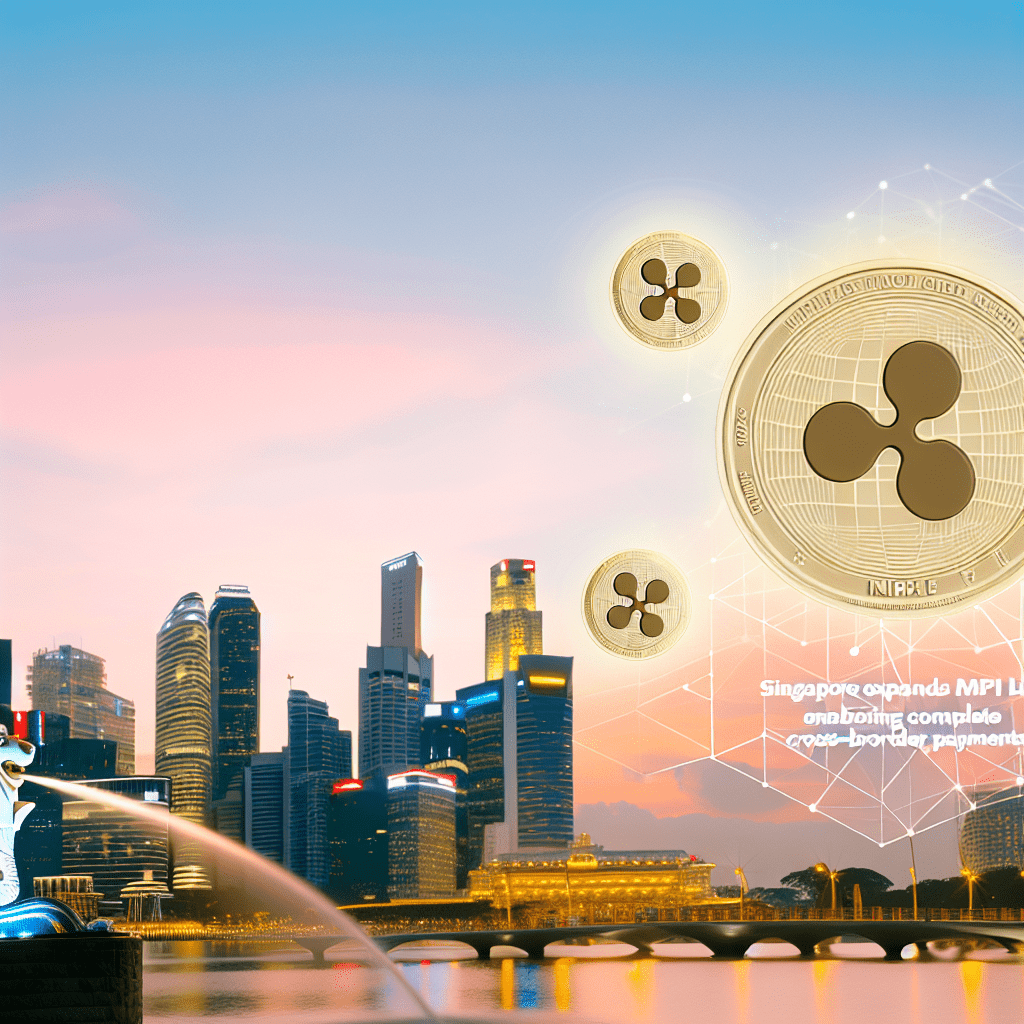
Ripple made significant strides in Singapore when the Monetary Authority of Singapore (MAS) broadened the scope of Ripple’s Major Payment Institution (MPI) license. This allowed the firm to provide a notably wider range of regulated payment solutions.
For Ripple, which views Singapore as its primary operational hub in the Asia-Pacific, this development signifies the beginning of a new phase in international growth.
This article examines how Ripple established its presence in Singapore, what the extended MPI license facilitates, and the ongoing challenges for Ripple in the nation.
How Ripple established its presence in Singapore
In 2023, Ripple’s subsidiary Ripple Markets APAC acquired a full MPI license under Singapore’s Payment Services Act (PSA). This enabled the company to offer digital payment token services in accordance with stringent guidelines regarding Anti-Money Laundering (AML), consumer protection, transaction monitoring, and operational resilience.
However, the license limited Ripple to specific digital token-related activities and did not allow for the comprehensive end-to-end payment solutions that banks, fintechs, and large corporations increasingly need. The 2025 license expansion eliminates those restrictions.
Did you know? Singapore was among the first nations to regulate crypto through the PSA 2019, establishing a dedicated framework. The country established clear guidelines for digital payment tokens while many other countries were still debating basic definitions.
Details of the expanded MPI license for Ripple in Singapore
The MAS has approved Ripple to offer a broader array of regulated payment services, which include:
Complete end-to-end cross-border payment processing, covering the entire transaction flow beyond merely token-related elements
Regulated services involving digital payment tokens, including XRP (XRP) and Ripple’s stablecoin Ripple USD (RLUSD), covering settlement, liquidity provision, and integration into institutional payment frameworks
Scalable payment solutions for banks, fintech firms, and cryptocurrency enterprises
Fiat-to-crypto on-ramps and off-ramps, cross-border remittances, and enterprise-level settlement tools, all monitored by MAS.
Ripple can now deliver a wider set of regulated services to a more extensive clientele within one of the world’s most rigorously regulated financial markets.
Ripple president Monica Long characterized the approval as a significant progression that will aid the company in broadening its licensed offerings in Singapore for a growing customer base of banks and fintech firms. She emphasized Singapore’s clear and innovation-friendly regulatory climate, which is notable compared to the legal ambiguity Ripple encounters in other regions.
Did you know? The MAS openly cautions retail investors about crypto risks while simultaneously supporting institutional-grade infrastructure. This combination of pro-innovation policies and cautious consumer guidance has enabled Singapore to maintain financial stability while remaining a global blockchain hub.
Why Ripple’s extended MPI license is crucial in Asia-Pacific
The Asia-Pacific region represents the fastest-growing market for digital assets globally, with Singapore serving as a leading center for financial innovation. The expanded license reinforces Ripple’s standing by enabling it to:
Address escalating institutional demand for regulated blockchain-based payment and liquidity solutions
Effectively compete in high-volume cross-border remittance corridors
Provide regulated services involving XRP and RLUSD at scale
Strengthen its reputation with regulators in neighboring countries, facilitating further regional growth.
Did you know? Singapore was one of the earliest major economies to adopt stablecoin regulation, releasing formal guidelines on reserve backing, redemption rights, and operational safeguards.
What challenges persist for Ripple in Singapore
Despite these advancements, several challenges remain:
Some authorized activities have yet to be publicly detailed, necessitating additional compliance work.
Banks and major institutions generally require time to assess and integrate new payment systems.
Regulatory discrepancies among countries imply Ripple must acquire similar approvals elsewhere for seamless global operations.
Market fluctuations may impact the speed of institutional adoption of XRP-based services.
Nonetheless, Singapore now provides Ripple with one of its most robust regulatory frameworks worldwide.
Did you know? Firms offering digital payment token services in Singapore must adhere to stringent AML and counter-terrorism financing standards, which include comprehensive transaction monitoring, risk scoring, and independent audits.
Strategic approval for global digital payments
For Ripple, the extension of its MPI license acts as a strategic catalyst rather than merely a procedural modification. It effectively allows the company to significantly expand its operations, granting it permission to offer comprehensive cross-border payment solutions and to seamlessly incorporate both XRP and the RLUSD stablecoin into regulated financial services. This authorization empowers Ripple to serve a broader and more diversified clientele, including banks, financial technology firms, and other crypto-focused organizations.
By reinforcing its operational base in Singapore, Ripple is enhancing Singapore’s status as a central hub for its activities across the Asia-Pacific region and the global market. For a firm aiming to lead in the future of digital payments, such regulatory endorsement is vital, translating corporate ambitions into actionable operations.
The actual magnitude of this accomplishment will be determined by Ripple’s future actions, such as forging new partnerships, activating payment corridors, and broadening tokenized payment applications. The license expansion is expected to transform the digital payment landscape across Asia-Pacific and the broader international financial ecosystem.
This article does not contain investment advice or recommendations. Every investment and trading move involves risk, and readers should conduct their own research when making a decision. While we strive to provide accurate and timely information, Cointelegraph does not guarantee the accuracy, completeness, or reliability of any information in this article. This article may contain forward-looking statements that are subject to risks and uncertainties. Cointelegraph will not be liable for any loss or damage arising from your reliance on this information.
