


A recent report on stablecoin activities in Q3 2025 reveals a host of positive metrics alongside significant bot engagement. Over 70% of on-chain transactions were executed by automated systems.
While these bots continued to expand, human trading activity diminished in September. This pattern may erode trader trust and the purported utility of stablecoins.
Sponsored
Sponsored
Positive Insights on Stablecoins
Stablecoins are currently in the spotlight, thanks to surging valuations, regulatory advancements, and tough competition from emerging players.
However, even as some experts proclaim stablecoins as the future, a new report from CEX.io raises concerns about excessive bot involvement:
“Bot-driven activity remains predominant, constituting 71% of all on-chain stablecoin transactions, increasing from 68% in Q2. The rise of automated activity and unidentified high-frequency transfers could raise concerns about potential wash trading and economically valueless transactions within the stablecoin realm,” the report stated.
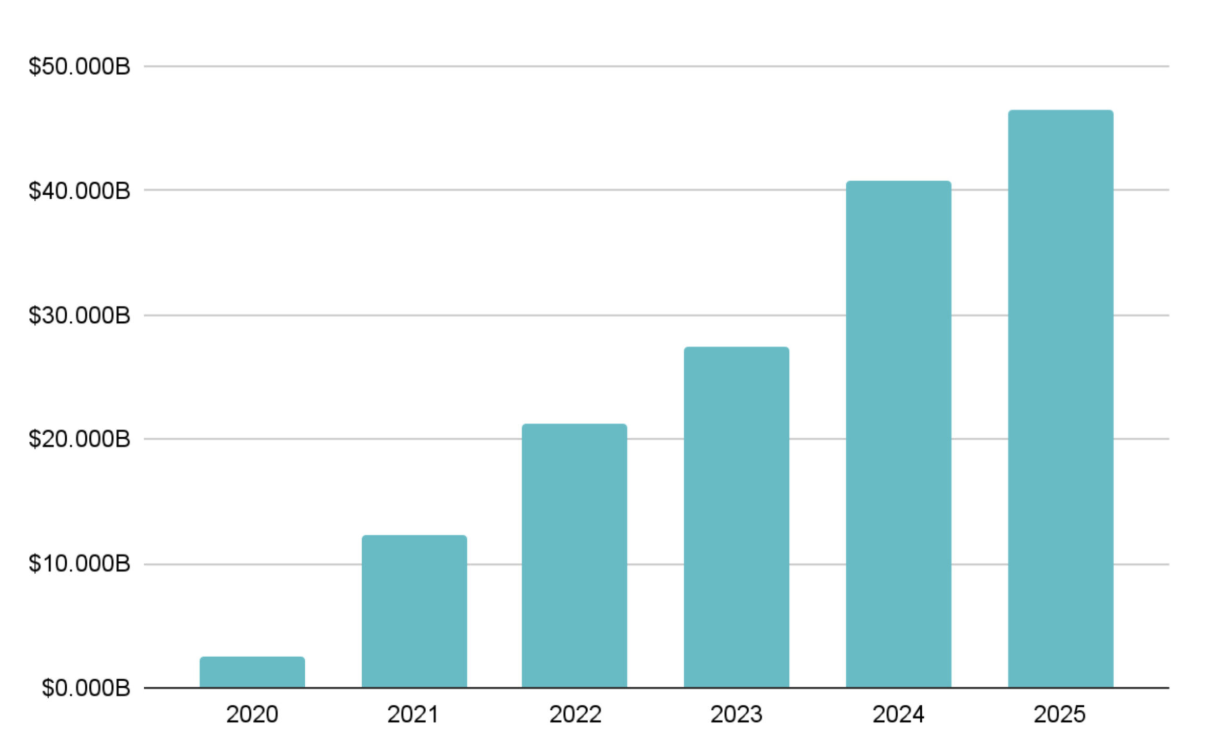
In context, these bot-related concerns are set against a backdrop of positive metrics for the stablecoin industry. Total token supply surged by approximately $43 billion, driven by significant minting events, and trading volumes reached a four-year peak.
Retail usage, defined as token transfers below $250, also reached a historic high. This positions 2025 as the most active year for stablecoin transactions, already surpassing all of 2024 by Q3.
Moreover, the report noted that this statistic excludes any stablecoin transactions involving bots.
Sponsored
Sponsored
Excessive Bot Engagement
Amid these positive figures, the dominating influence of bots in the stablecoin market cannot be overlooked. Essentially, such extensive bot activity can introduce numerous challenges.
Automated trading can incite irrational behavior within token markets, and platforms infused with bots can undermine user confidence due to manipulation anxieties.
In essence, even if bots do not significantly contribute to wash trading with stablecoins, their presence may still alter the behaviors of retail investors.
The report indicated that unidentified bot transactions remained consistently active, sustaining high volumes even as markets slowed in September.
We need to monitor this landscape closely as more information emerges. While bots have been part of the stablecoin ecosystem for some time, the situation appears to be escalating.
A key function of these tokens is their role as a bridge between cryptocurrencies and traditional finance, a purpose that becomes less relevant in a bot-centric environment.
